Search
 English
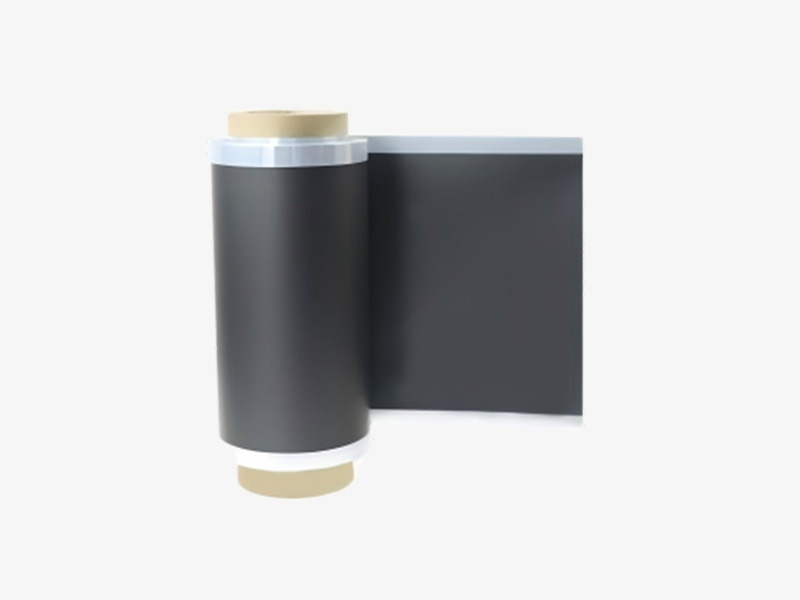


Battery aluminum foil is a key raw material for lithium-ion batteries, mainly used as the positive electrode current collector, responsible for collecting the current generated by the active substances and conducting it to the external circuit. Its performance directly affects the energy density, internal resistance and cycle life of the battery.
| Parameter Categories | Typical specifications/requirements | Explanation |
| Thickness Range | 9 - 14 microns | It is commonly used in consumer electronics and battery power supplies. When aiming for high energy density, thinner foil materials are preferred. |
| Common Alloys | 1060, 1050, 1145, 1235, etc. | The main materials are industrial pure aluminum with a purity of ≥ 99% or specific alloys (such as 1200C) to meet different mechanical and conductive requirements. |
| Material State | O-state (soft state), H18 (fully hard state), etc. | Different states correspond to different tensile strengths and elongation rates. For example, the tensile strength of the H18 state is usually ≥ 150 MPa. |
| Key Performance | Strain rate ≥ 1% - 5% | High elongation rate is beneficial for the rolling processing of battery electrodes and reduces breakage. High-end products require an elongation rate of ≥ 4.0%. |
| Special Types | Coated (carbon) aluminum foil | A nano conductive layer (such as graphene) is coated on the surface of the light foil, which can significantly reduce the internal resistance of the battery, enhance adhesion, and extend the cycle life. |
(+86)400-990-6600
sales.lib@mikrouna.com