Search
 English
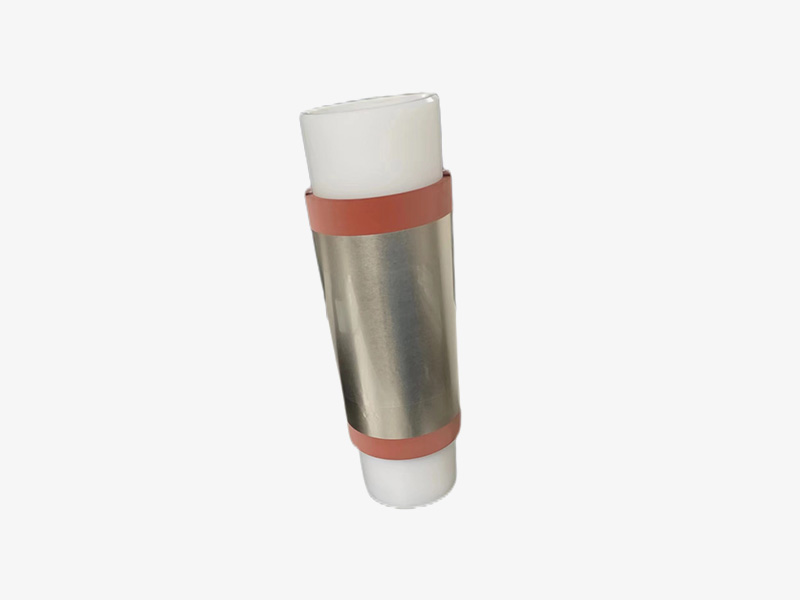


| Product type | Typical thickness range | Width range | Core advantage |
| Pure lithium metal strip | 20 - 80 $\mu m$ | Customization | Ultra-thin manufacturing process. The common lithium strips on the market are usually around 100 microns thick. We offer ultra-thin lithium strips as low as 20 microns, which enhances the battery's energy density and reduces dead lithium. |
| Copper-lithium composite strip | 40 - 100 $\mu m$ | Customization | High-strength composite. The lithium layer is perfectly combined with ultra-thin copper foil, significantly enhancing the material's mechanical strength, enabling it to better adapt to the tension of automated winding equipment and providing a better current collection effect. |
| Specification parameters | Pure lithium strip (Pure Li) | Copper-lithium composite strip (Cu-Li) | Lithium-magnesium alloy strip (Li-Mg) |
| Typical thickness | 20, 30, 40, 50 μm | 40 - 100 μm | 40 - 100 μm |
| Thickness tolerance | ±2 μm | ±2 μm | ±2 μm |
| Width | 10 - 350 mm | 10 - 80 mm | 10 - 100 mm |
| Base material | No (Self-supporting) | 6μm / 8μm copper foil | No |
| Tensile strength | Low (< 1 MPa) | High (> 10 MPa) | Medium |
| Recommended Application | Basic material research, interelectrode connection | Soft packaging with full battery, high-rate testing | High-temperature stability test, study on inhibiting dendrites |
(+86)400-990-6600
sales.lib@mikrouna.com