Search
 English


| Parameter category | Typical specifications/requirements | Explanation |
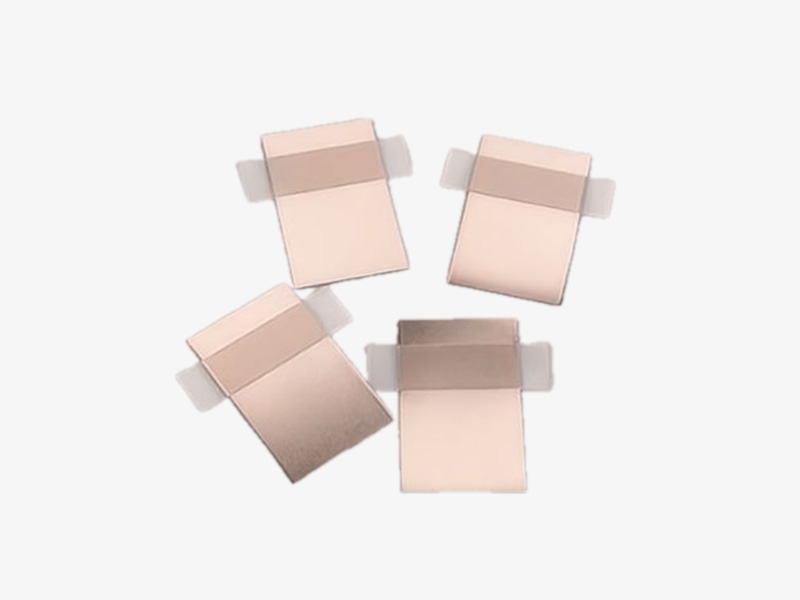
| Material (Metal Strip) | Positive electrode: Aluminum (Al) Negative electrode: Nickel (Ni) or nickel-copper (Ni-Cu) | The aluminum tabs are used for the positive electrode, while nickel or nickel-plated copper is used for the negative electrode. This is because aluminum has an incompatible electrical potential with the graphite of the negative electrode. |
| Safe current-carrying capacity | Aluminum tab: 3-5 A/mm² Nickel tab: 11-13 A/mm² Copper tab: 5-8 A/mm² | This is a crucial design parameter that determines the maximum current that a specific thickness and width of the tab can safely handle. |
| Film material | White glue, black glue, yellow glue, etc. | It is usually a multi-layer composite material such as PP/PE. During battery packaging, it is sealed with an aluminum plastic film through heating and thermal fusion to prevent leakage of liquid. |
| Key performance | Peel strength > 15 N/15mm Resistant to electrolyte corrosion | Ensure that the film is firmly bonded to the metal strip, and that it does not leak or fall off after being immersed in the electrolyte solution, guaranteeing long-term sealing performance. |
(+86)400-990-6600
sales.lib@mikrouna.com