Search
 English
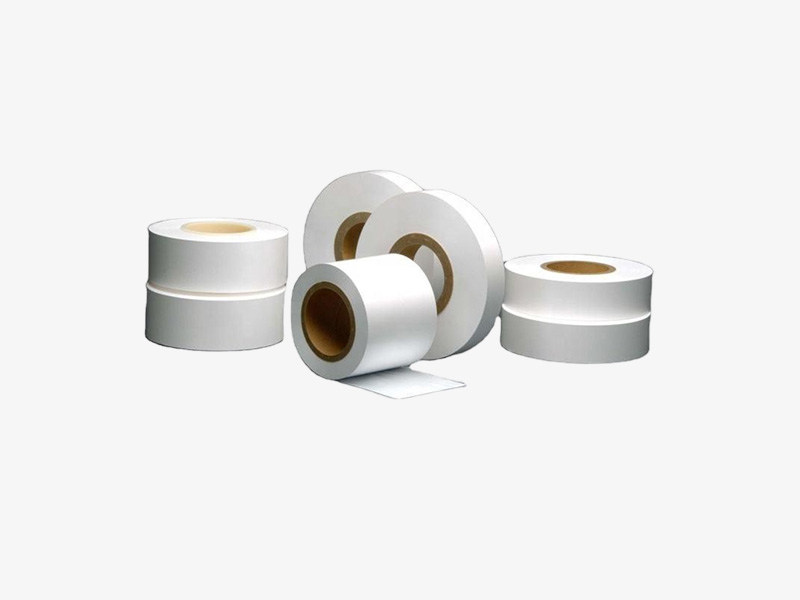


Physical isolation of the positive and negative electrodes prevents short circuits, retains the electrolyte, and enhances the battery's cycle life.
Core function
Base material: Utilizes polyethylene (PE) and polypropylene (PP) as the base materials, which possess excellent chemical stability, mechanical strength, and thermal insulation properties.
Electrical insulation: Effectively isolates the positive and negative electrodes of the battery, preventing internal short circuits.
Ion conduction: Features a uniform microporous structure, allowing lithium ions to freely pass through and forming an electrical current circuit.
Thermal protection: Some materials have thermal shut-off characteristics, closing the pores to block the current when there is an abnormal increase in temperature, enhancing safety.
| Classification | Characteristics | |
| Basement membrane | Wet-type separator | By adopting the bidirectional synchronous stretching technology, the mechanical strength is high and balanced, and the pore structure is uniform and consistent. |
| Dry-type separator | Produced by the blow molding method (optimized relative to the extrusion method), it has a unidirectional microporous structure and excellent thermal closure performance. | |
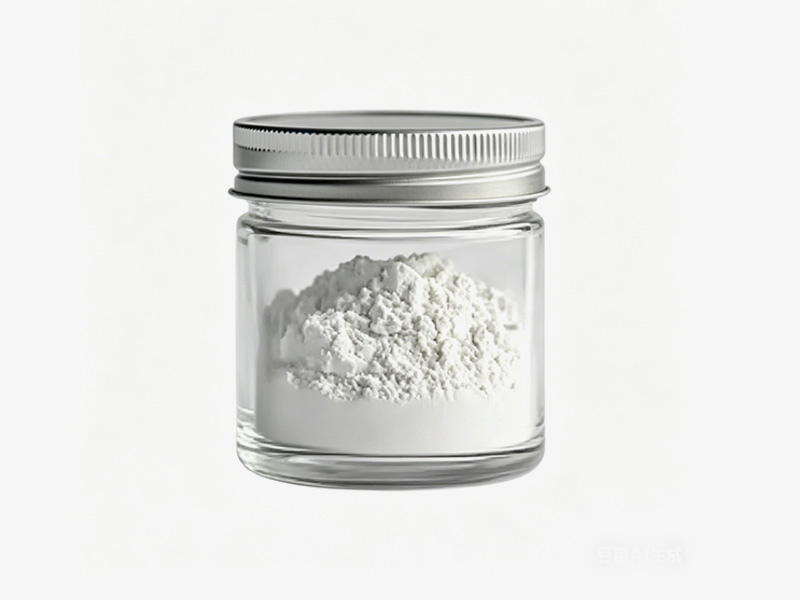
| Coating the separator | Ceramic coated diaphragm | Coated with nano-alumina/bombshell, etc., it significantly improves the heat resistance, dimensional stability and electrolyte wettability. |
| PVDF coated diaphragm | The coating has strong adhesion to the electrode sheet, which can reduce the bad rate of cell entering the shell and improve the interface contact. | |
| Mixed coated diaphragm | Using a mixed coating of PVDF/aramid and ceramics, it combines high heat resistance, excellent bonding performance and cost efficiency. | |
Scope of Application:
We can provide customized base membranes and coating solutions for power batteries, consumer electronic batteries, high-rate batteries and energy storage batteries.
(+86)400-990-6600
sales.lib@mikrouna.com