Search
 English


Chemical composition: The chemical composition of natural graphite is carbon (C), and it often contains impurities such as SiO₂, Al₂O₃, FeO, CaO, etc. These impurities exist in the form of quartz, pyrite, carbonate, etc.
Physical properties:
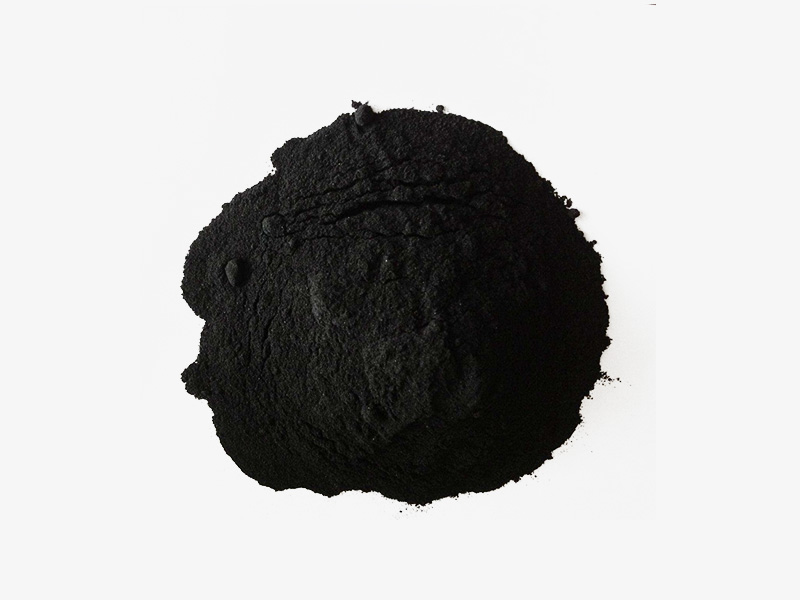
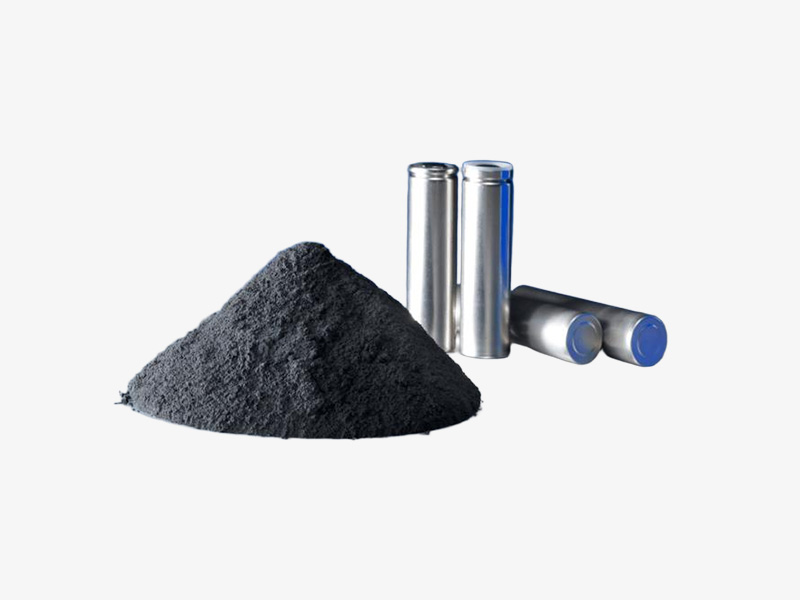
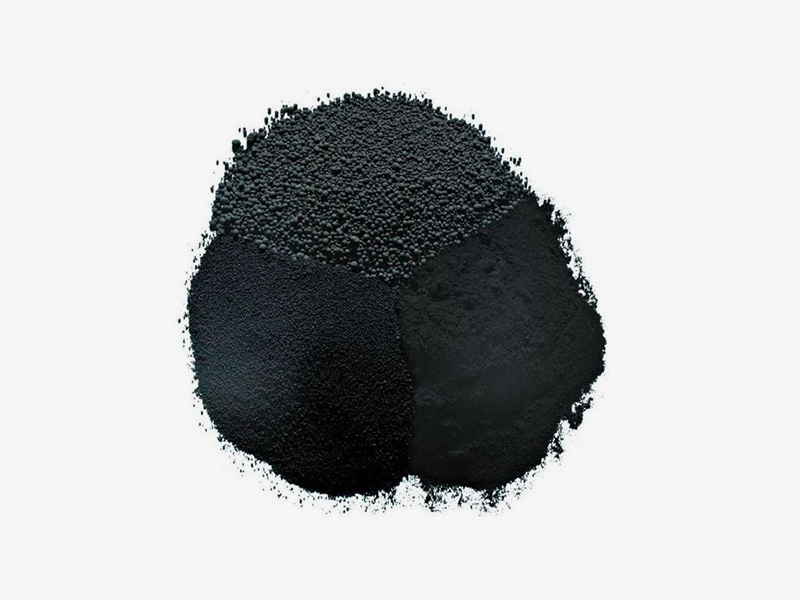
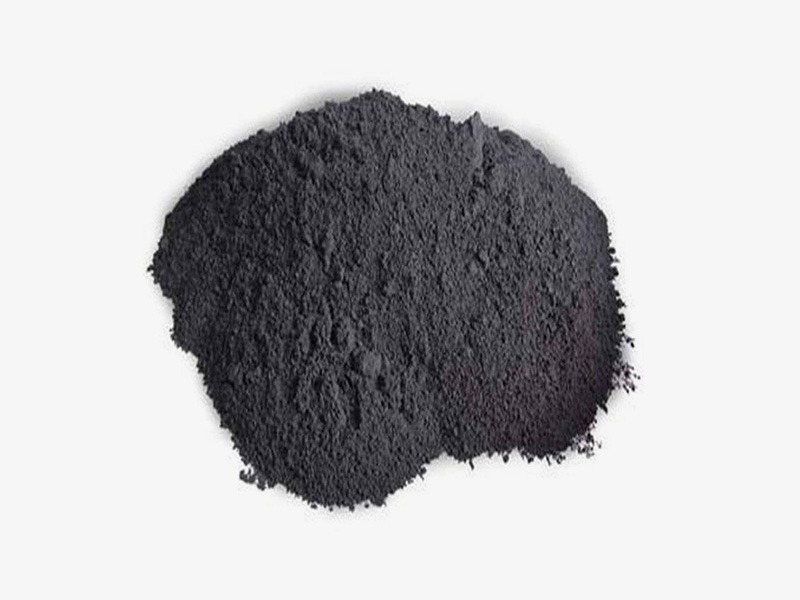
Appearance: Natural graphite minerals are iron black or steel gray in color, with a bright black luster on the streak, and have a metallic luster. The cryptocrystalline aggregates have a dim luster and are opaque.
Hardness: Mohs hardness is 1-2.Graphite is soft, has a slippery feel, exhibits perfect basal cleavage,and may smudge fingers.
Density: The density is 2.09-2.23 g/cm³, the theoretical density is 2.26 g/cm³.
Specific surface area: It ranges from 1 to 20 m²/g.
Melting point and boiling point: Under oxygen-free conditions, the melting point is above 3000°C, and the boiling point reaches 4250°C. It is one of the most heat-resistant minerals.
Structural characteristics:
The crystal of natural graphite belongs to the complex hexagonal double cone crystal type, presenting hexagonal plate-shaped crystals. Common crystal forms include parallel double faces, hexagonal double cones, and hexagonal columns. However, well-formed crystal forms are rare, and it is generally in the form of flake or plate, and the aggregates are in the form of dense blocks, soil-like or spherical.
In the layered structure of graphite, carbon atoms form σ bonds with sp² hybrid orbitals and use the remaining p orbital to form delocalized π bonds. Electrons can freely move in the lattice, giving graphite electrical conductivity and thermal conductivity.
(+86)400-990-6600
sales.lib@mikrouna.com