Search
 English
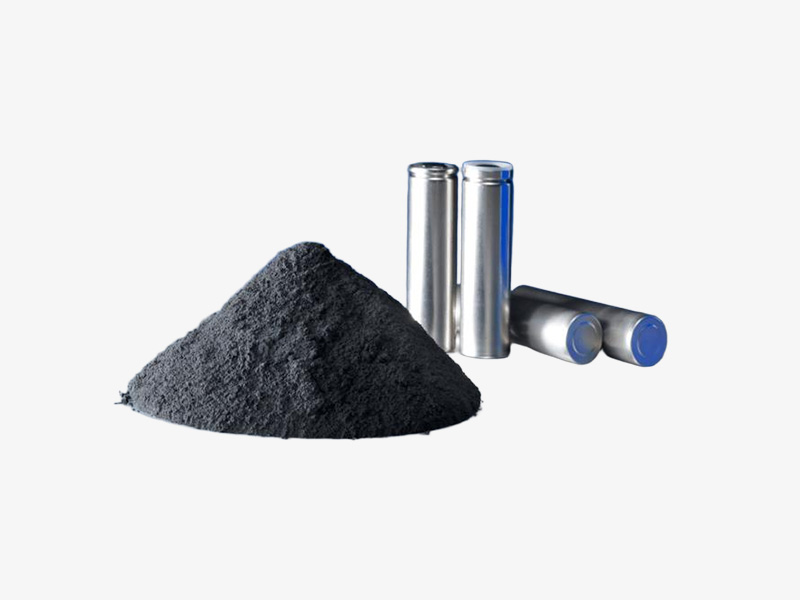


Silicon is one of the most abundant elements on Earth, ensuring a reliable andsustainable raw material supply for the large-scale application of silicon-based materials.
Silicon-based materials exhibit strong conductivity and semiconductor characteristics,
making them the foundation of modern electronics. Photovoltaic-grade silicondemonstrates high light absorption and conversion efficiency for solar energy.Glass-type silicon materials offer transparency, high hardness, wear resistance, andcorrosion resistance, while silicon-based ceramics provide outstanding hardness,thermal stability, oxidation resistance, and wear resistance, making them suitable for demanding environments involving high temperatures, high pressures, or corrosive
media.
In most environments, silicon-based materials do not readily react with other substances, delivering robust chemical stability and long-term durability.
These materials can be fabricated through a wide range of processing techniques -including drawing, casting, cutting, coating, lithography, and others - enabling the production of diverse shapes and sizes to meet the requirements of various application fields.
(+86)400-990-6600
sales.lib@mikrouna.com