
Search
 English


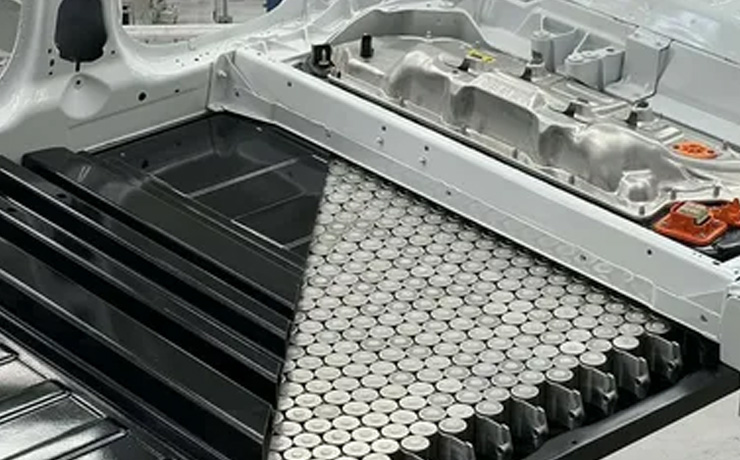
Battery technology has become the cornerstone of modern energy systems, powering everything from portable electronics to electric vehicles and large-scale energy storage. However, the safety and reliability of batteries remain critical challenges, especially under extreme conditions such as mechanical impact, overheating, or environmental exposure. To address these risks, the design of the battery's external protective structure has evolved into a sophisticated field that integrates advanced materials, engineering principles, and safety mechanisms. This article explores the core design principles and safety features that define hardcore battery protection.
1. Design Principles: Balancing Strength, Weight, and Functionality
The external protective structure of a battery must achieve a delicate balance between mechanical robustness, lightweight construction, and functional integration.
1.1 Structural Integrity Under Impact
Batteries are vulnerable to physical damage from drops, vibrations, or collisions. The protective casing must absorb and dissipate energy to prevent internal short circuits or electrolyte leakage. Key design strategies include:
Geometric Optimization: Using curved edges, ribbed designs, or honeycomb patterns to distribute stress evenly across the casing.
Multi-Layer Construction: Combining rigid outer shells (e.g., aluminum alloys) with shock-absorbing inner layers (e.g., polymer foams or silicone pads).
Crash Zones: Similar to automotive safety design, certain areas of the casing are engineered to deform controllably, protecting critical components like electrodes and separators.
1.2 Thermal Management
Overheating is a leading cause of battery failure. The protective structure must facilitate efficient heat dissipation while isolating the battery from external heat sources. Approaches include:
Thermally Conductive Materials: Aluminum or copper alloys with high thermal conductivity help transfer heat away from the battery cells.
Phase-Change Materials (PCMs): Embedded PCMs absorb excess heat during thermal runaway, preventing catastrophic failure.
Ventilation Channels: Strategically placed openings or fins enhance airflow, reducing localized hot spots.
1.3 Environmental Sealing
Batteries must resist moisture, dust, and chemicals to maintain long-term performance. Protective casings achieve this through:
Hermetic Sealing: Laser welding or adhesive bonding creates airtight enclosures.
Corrosion-Resistant Coatings: Nanocoatings or anodized aluminum protect against oxidative degradation.
IP Ratings: Compliance with Ingress Protection standards (e.g., IP67) ensures resistance to water and particulate intrusion.
2. Safety Mechanisms: Preventing and Mitigating Failures
Beyond passive protection, modern battery casings incorporate active safety mechanisms to detect and respond to threats in real time.
2.1 Pressure Relief Systems
During thermal runaway, gases generated inside the battery can lead to explosive pressure buildup. Pressure relief vents or rupturable diaphragms release these gases safely, preventing casing rupture. Some designs use self-resealing valves to maintain environmental sealing after venting.
2.2 Thermal Fuses and Cutoffs
To halt overheating, protective structures integrate:
Positive Temperature Coefficient (PTC) Devices: These resettable fuses increase resistance as temperature rises, cutting off current flow.
Bimetallic Switches: Mechanical switches that disconnect the battery if temperatures exceed safe limits.
Thermal Insulation Barriers: Aerogel or ceramic layers isolate hot spots from surrounding components.
2.3 Electrical Isolation
Short circuits caused by physical damage or moisture ingress can trigger fires. Protective casings address this with:
Dielectric Coatings: Non-conductive layers on internal surfaces prevent accidental contact between electrodes.
Floating Battery Design: Isolating the battery pack from the chassis (in electric vehicles) reduces the risk of ground faults.
Current Interrupt Devices (CIDs): These automatically disconnect the battery if internal pressure or temperature exceeds thresholds.
2.4 Fire Suppression Systems
For high-risk applications, some casings incorporate built-in fire extinguishing agents, such as:
Solid-State Suppressants: Intumescent materials that expand when heated, smothering flames.
Gaseous Agents: Encapsulated fire retardants (e.g., halon alternatives) released upon detection of smoke or heat.
3. Material Innovation: The Foundation of Hardcore Protection
The choice of materials is pivotal in defining the protective structure's performance. Recent advancements include:
Advanced Composites: Carbon fiber-reinforced polymers (CFRPs) offer exceptional strength-to-weight ratios for aerospace and electric vehicle batteries.
Shape-Memory Alloys: Metals that return to their original shape after deformation, enhancing impact resistance.
Bio-Inspired Design: Mimicking natural structures (e.g., seashell nacre) to create lightweight yet tough casings.
4. Future Directions: Smart and Self-Healing Protection
The next generation of battery protective structures will leverage smart technologies:
Embedded Sensors: Real-time monitoring of temperature, pressure, and voltage to predict failures before they occur.
Self-Healing Materials: Polymers or coatings that automatically repair minor cracks or scratches.
AI-Driven Design: Machine learning algorithms optimize casing geometry for specific use cases, balancing safety and efficiency.
The external protective structure of a battery is not merely a passive enclosure but a dynamic safety system that integrates physics, chemistry, and engineering. By combining robust materials, intelligent design, and active safety mechanisms, modern batteries can withstand extreme conditions while minimizing risks to users and infrastructure. As energy storage demands grow, the evolution of hardcore protection will remain essential to unlocking the full potential of battery technology.
(+86)400-990-6600
sales.lib@mikrouna.com