Search
 English
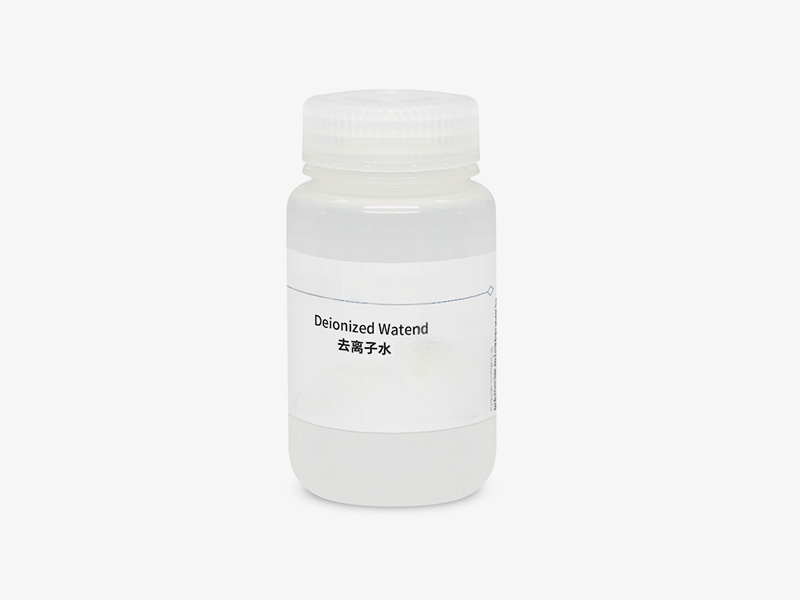


High purity:
Through ion exchange resins or reverse osmosis technology, deionized water almost completely removes ionic impurities from water (such as Na⁺, K⁺, Mg²⁺, Cl⁻, SO₄²⁻, etc.), with an electrical conductivity as low as below 0.05 μs/cm, much lower than ordinary tap water (usually 200-1000 μs/cm).
Chemical stability:
Deionized water is neutral (pH ≈ 7), does not participate in chemical reactions, and avoids introducing impurities that may affect battery performance. Its low electrical conductivity property can prevent excessive conductivity of the slurry, which may cause processing problems.
Low viscosity:
Deionized water has low viscosity and good fluidity, which can effectively reduce the viscosity of the slurry and promote the uniform dispersion of active substances (such as graphite, silicon-based materials) and conductive agents (such as carbon black).
(+86)400-990-6600
sales.lib@mikrouna.com