
Search
 English
With the booming development of the global clean energy and electric vehicle industries, lithium-ion batteries have become the core of modern energy storage and power applications. Within the entire lithium battery industry chain, "lithium battery materials" are undoubtedly the most critical foundation determining battery performance, safety, and lifespan. So, what exactly are lithium battery materials? And what core materials and process parameters require close attention in the actual battery manufacturing process?
Lithium-ion battery materials refer to the various upstream raw materials and processing auxiliary materials required for manufacturing lithium-ion batteries. From the perspective of the internal structure of the battery cell, it mainly consists of the following four core chemical materials:
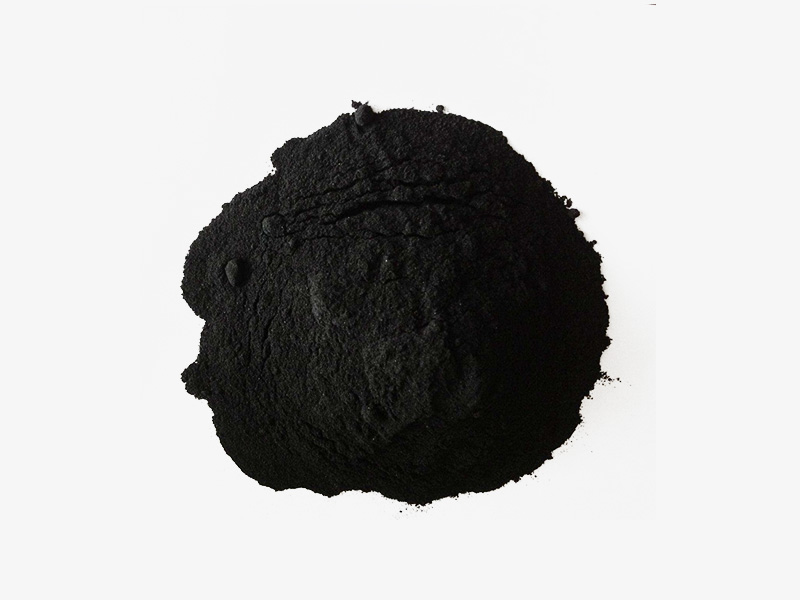
Cathode Material: The main determinant of battery energy density, commonly including lithium iron phosphate and ternary materials.
Anode Material: Used to store and release lithium ions, currently mainly graphite, while silicon-based anodes are an important future development direction.
Electrolyte: The medium for transporting lithium ions between the positive and negative electrodes, directly affecting the battery's charge/discharge efficiency and operating temperature range.
Separator: Located between the positive and negative electrodes, it acts as a safety barrier, allowing lithium ions to pass through while preventing internal short circuits.
In the actual production of lithium batteries, in addition to the active materials mentioned above, the selection of the current collector substrate is equally crucial. They are the physical basis for carrying the active materials and conducting current:
Positive Electrode Substrate: Aluminum foil is typically used as the substrate. Aluminum exhibits good electrochemical stability at high potentials in the positive electrode, and also has good conductivity and moderate cost.
Negative Electrode Substrate: Copper foil is commonly used as the substrate. Copper does not alloy with lithium at low potentials, making it an excellent negative electrode current collector material.
Transforming raw lithium-ion battery materials into electrodes capable of assembling battery cells requires a series of precise and complex physical and chemical processing steps, mainly including the following four core processes:
Slurry Preparation:Positive/negative electrode active materials, conductive agents, binders, and solvents are mixed in proportion and stirred into a uniform suspension slurry.
Coating: The prepared slurry is uniformly coated onto the surface of an aluminum or copper foil substrate.
Rolling: The coated and dried electrode sheets are subjected to high-pressure compaction using a precision rolling mill to improve the compaction density and conductivity of the material.
Slitting: Large rolls of electrode sheets are precisely slit into narrow strips of a specified width according to battery specifications for use in the intermediate cell assembly process.
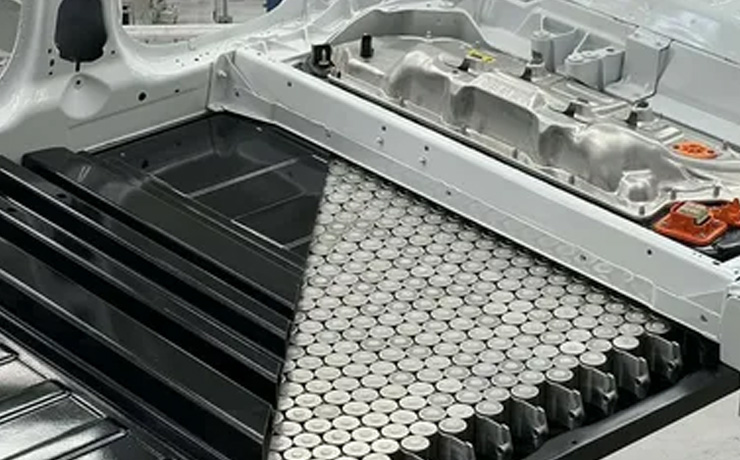
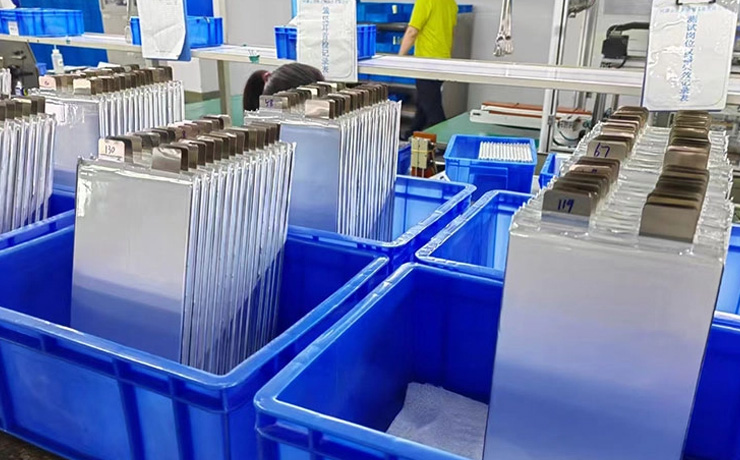
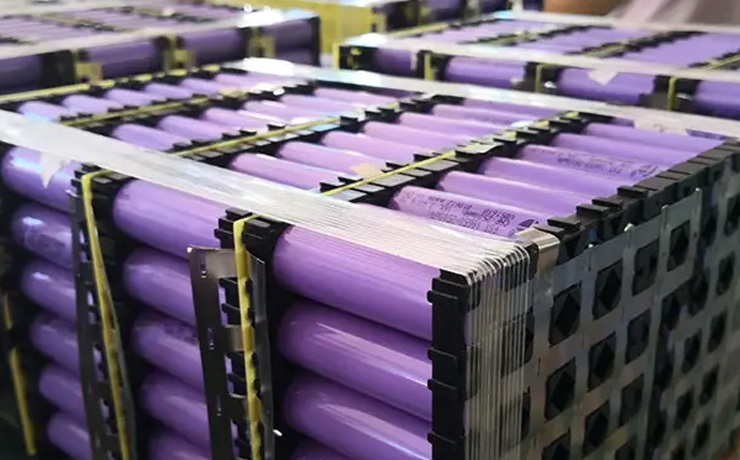
In the processing of lithium battery materials and the manufacturing of electrode sheets, the physical parameters of the materials directly determine the quality and safety of the final battery cell. In industry production, the following indicators are of paramount importance for control: The stability of the slurry, the areal density of the coating, the control of die-cutting burrs, the alignment of the stacked and wound electrodes, the strength of the weld, and the sealing performance, all of which directly determine the battery's performance and consistency.
Lithium-ion battery materials encompass not only the chemical substances that determine electrochemical performance, but also the metal substrates and processing techniques that support these substances in their function. From the selection of aluminum and copper foils to the evolution of each step in slurry, coating, rolling, and slitting, the underlying hard parameters such as thickness precision and burr management are the core technologies for building high-performance, high-safety lithium-ion batteries.
(+86)400-990-6600
sales.lib@mikrouna.com