
Search
 English
Lithium metal ingots are basic industrial raw materials made primarily of lithium metal, which are smelted and cast into ingot shape. Freshly broken lithium metal is silvery-white, soft in texture, and belongs to the alkali metals. Its density is about 0.534 g/cm³, making it one of the lightest metals.
It is chemically reactive and quickly loses its metallic luster when exposed to air. It can react with oxygen and water, so it is usually stored in a dry, inert atmosphere in a sealed container. Mineral oil can only be used as a short-term, temporary protective measure and is not suitable for long-term storage.
Industrially, lithium metal is produced by using anhydrous lithium chloride as a raw material, which is mixed with potassium chloride to form a eutectic salt system, and then the lithium metal is obtained by molten salt electrolysis. The molten lithium metal produced by electrolysis needs to be cast into ingots under an inert atmosphere to prevent rapid oxidation.
Depending on the usage requirements, the products are divided into different purity grades and physical specifications, such as industrial grade and high purity grade. Specific indicators should refer to the corresponding industry specifications and implementation standards. Lithium metal ingots are upstream raw materials, not end products. Their production, inspection, packaging, and transportation all require professional control.
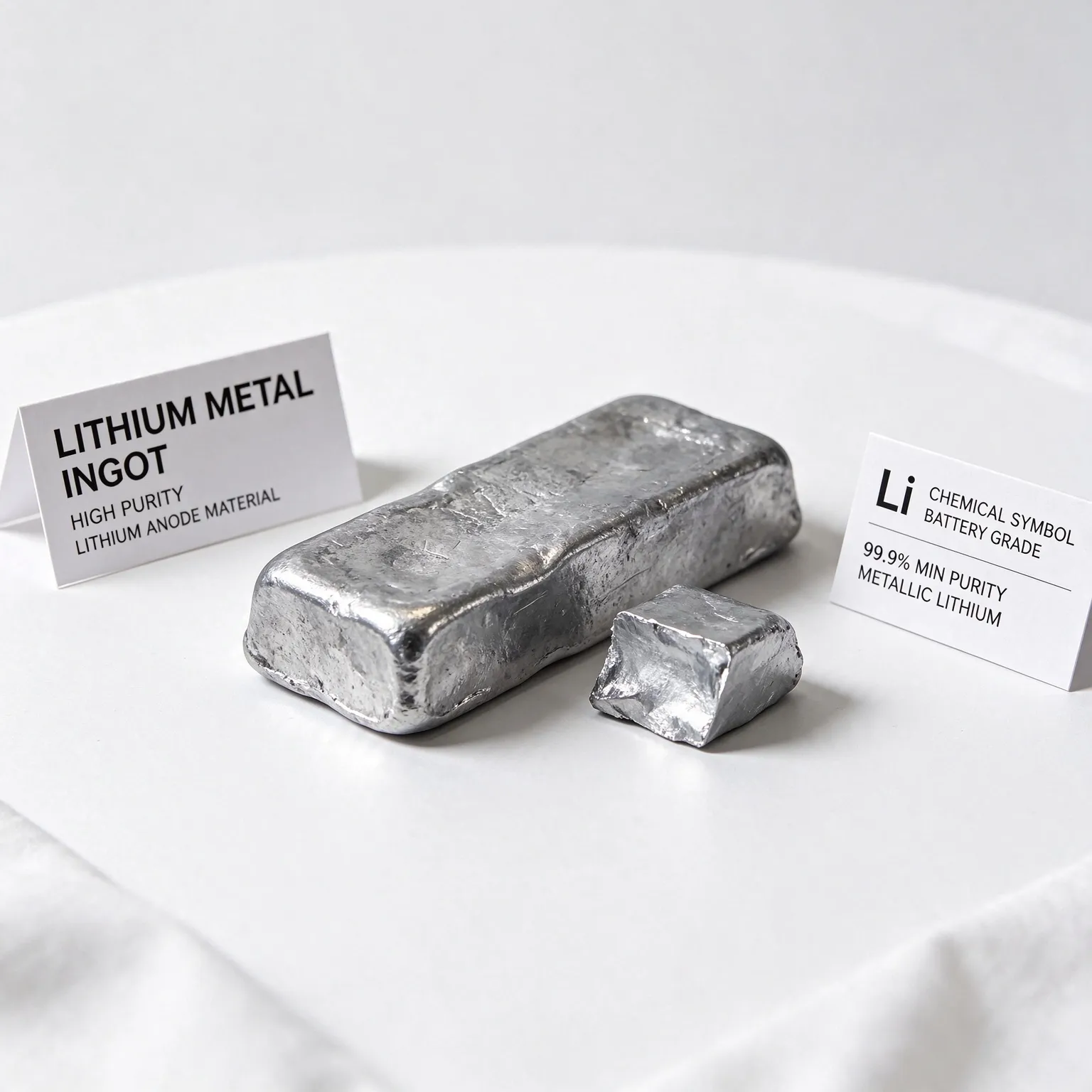
1. Low density. Lithium metal is lightweight, giving it a significant advantage in the development of alloy materials.
2. High chemical activity. Lithium reacts with water to produce hydrogen gas; its surface will also gradually oxidize and change color when exposed to air.
3. Its shape makes it easy to measure. After being cast into ingots, they are convenient for batch packaging, transportation, and use.
4. Strict storage conditions. Damp environments, open flames, and improper contact with oxidizing substances can all pose safety hazards.
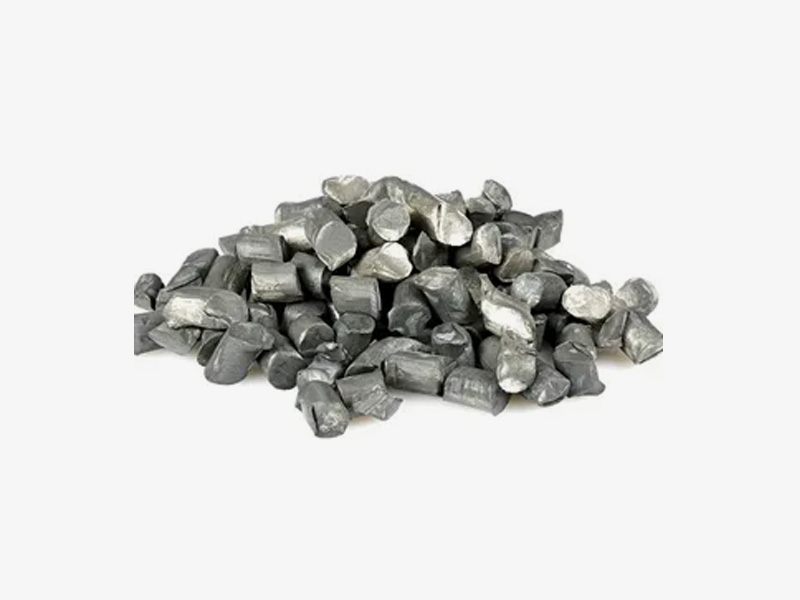
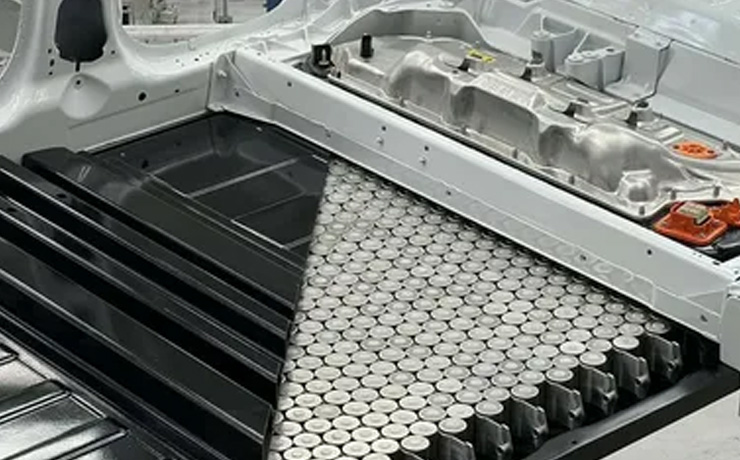
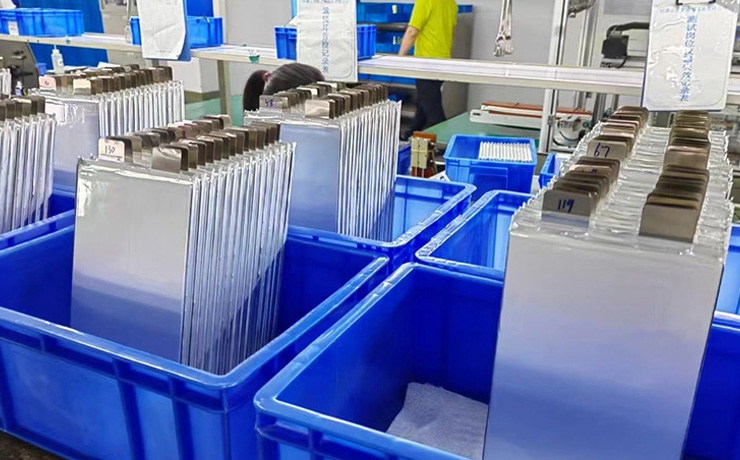
Lithium metal ingots are mainly used in industrial production and scientific research. It can be used to prepare lithium alloys and magnesium-lithium alloys; as an additive or experimental raw material in metallurgical processes; used to prepare various organic lithium reagents in organic synthesis; and also widely used in the research and development of new battery materials such as lithium metal batteries. Different application scenarios have different requirements for the purity, shape and packaging of lithium ingots.
Lithium metal is an active alkali metal that reacts with water to produce flammable hydrogen gas, and a humid environment is not conducive to its safe storage. During practical operation, it is essential to avoid contact with water, acids, and strong oxidizing substances, and to strictly adhere to the corresponding safety operating procedures.
Lithium metal ingots are ingot-shaped upstream raw materials for lithium-based products. They have low density, high chemical activity, and strict storage requirements. They are mainly used as alloy raw materials, metallurgical additives, and organic synthesis raw materials, and are also used in the research and development of cutting-edge battery materials.
(+86)400-990-6600
sales.lib@mikrouna.com