
Search
 English
Although conductive carbon black accounts for a small proportion of the components of lithium batteries, it has a significant impact on battery performance and lifespan.
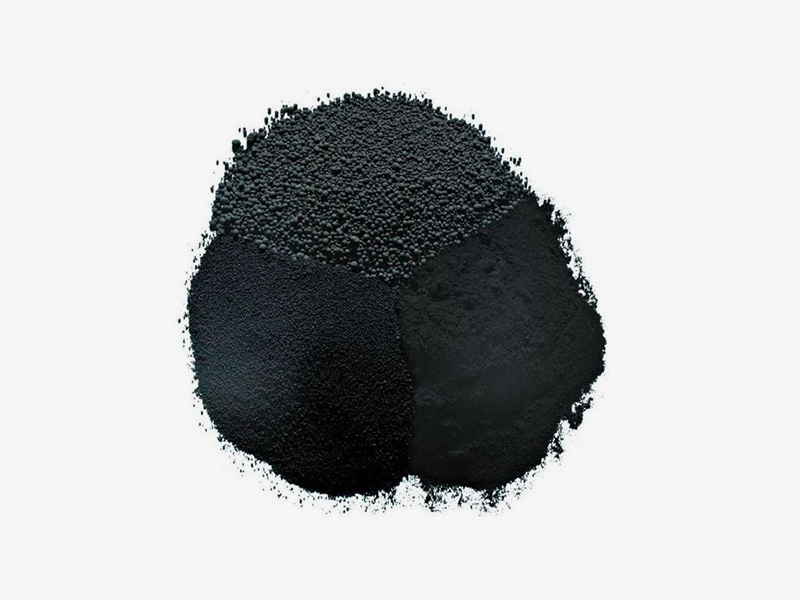
Conductive carbon black is a type of carbon black material with conductive properties. Ordinary carbon black primarily serves as a reinforcing agent, colorant, and UV protectant in industries such as rubber, plastics, and inks. Conductive carbon black, however, undergoes a special process, resulting in a higher specific surface area, more conductive contact points, and lower resistance, enabling it to form a conductive network within an insulating or semi-conductive matrix.
In lithium-ion batteries, conductive carbon black is typically added as a conductive agent to the positive electrode; it is also sometimes added to negative electrode materials with poor conductivity, such as silicon-based materials. Its core function is to establish electron transport channels between active material particles and between the active material and the current collector.
The positive electrode active materials of lithium-ion batteries, such as lithium iron phosphate and ternary materials, often have insufficient electronic conductivity. If electrons were conducted solely by the active material itself, the battery's internal resistance would increase significantly, leading to decreased charge/discharge efficiency, increased heat generation, poorer rate performance, and even reduced cycle life.
The role of conductive carbon black is to compensate for this shortcoming. It disperses around the active material, forming a continuous conductive network that allows electrons to reach the surface of the active material more smoothly and participate in electrochemical reactions. Simply put, it's like laying many "electron circuits" inside the battery, making current flow more efficient.
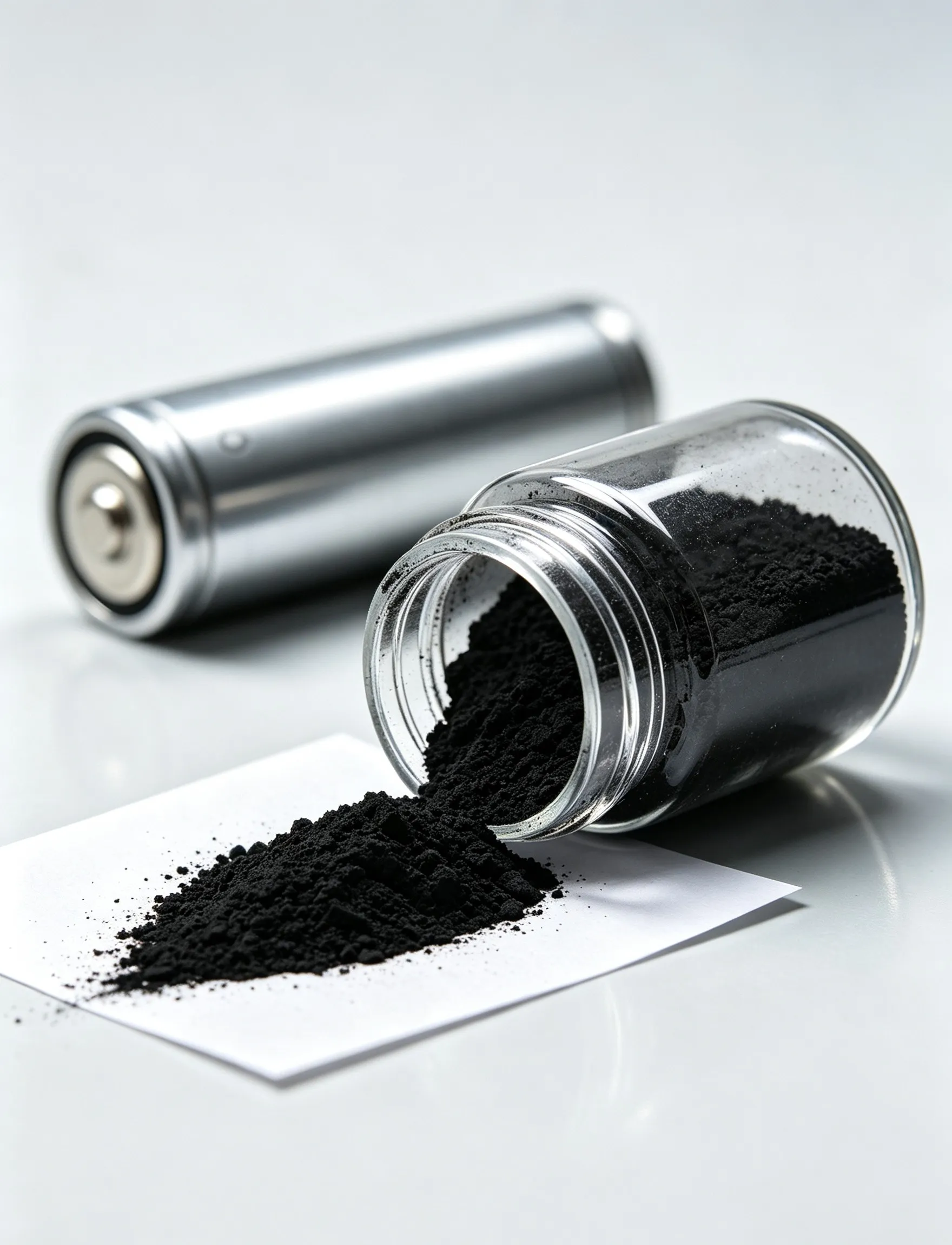
The conductivity mechanism of conductive carbon black can be understood from three levels:
1. Contact Conductivity: Carbon black particles are in contact with each other, forming chain-like or network structures. When electrons are transferred from one carbon black particle to another, the resistance is low as long as the contact is good.
2. Tunneling Effect Conductivity: Even if the carbon black particles are not in complete contact, as long as the spacing is small enough, electrons can still cross the tiny gaps through the quantum tunneling effect and continue to be transferred along the conductive network. This is one of the important reasons why conductive carbon black can still function at low addition levels.
Because of these mechanisms, the dispersion state of conductive carbon black is crucial. If the dispersion is uneven and large agglomerates occur, the conductive network will be incomplete, and local areas will still have difficulty conducting electricity. Therefore, the dispersion process of conductive carbon black in battery manufacturing has high requirements.
While conductive carbon black isn't the most "shining" material in lithium-ion batteries, it plays a crucial role in ensuring electron transport. Without a good conductive network, even the best active materials cannot fully realize their potential. Understanding the function of conductive carbon black helps in a more comprehensive understanding of the design logic of lithium-ion batteries.


(+86)400-990-6600
sales.lib@mikrouna.com