
Search
 English
In recent years, with the increasing demands for battery energy density from new energy vehicles and consumer electronics, traditional graphite anodes have gradually approached their theoretical capacity limit. Therefore, silicon-based materials for lithium batteries have become a key focus of the industry. So, what exactly are silicon-based materials? Why are they so highly anticipated, and what challenges do they face?
Silicon-based anode materials are a type of anode material that uses silicon as the active material for lithium storage, replacing or partially replacing graphite. Because silicon alone presents numerous problems, silicon-carbon composite materials and silicon suboxide materials are more commonly used in practical applications.
By reducing silicon particles to the nanoscale, structural damage caused by volume changes can be mitigated to some extent. Nanoscale silicon is often used in combination with conductive carbon materials to improve conductivity and cycle stability.
Silicon suboxide generates lithium oxide and lithium silicate during the first charge-discharge cycle, acting as a buffer against volume expansion. Its theoretical capacity is lower than pure silicon, but its cycle performance is relatively better, making it a widely used silicon-based material in industrial applications.
Dispersing nanoscale silicon within a carbon matrix forms silicon-carbon composite materials. Carbon materials provide both a conductive network and buffer against silicon volume changes, representing one of the more mature engineering approaches. The balance between capacity and cycle life can be adjusted by varying the silicon content.
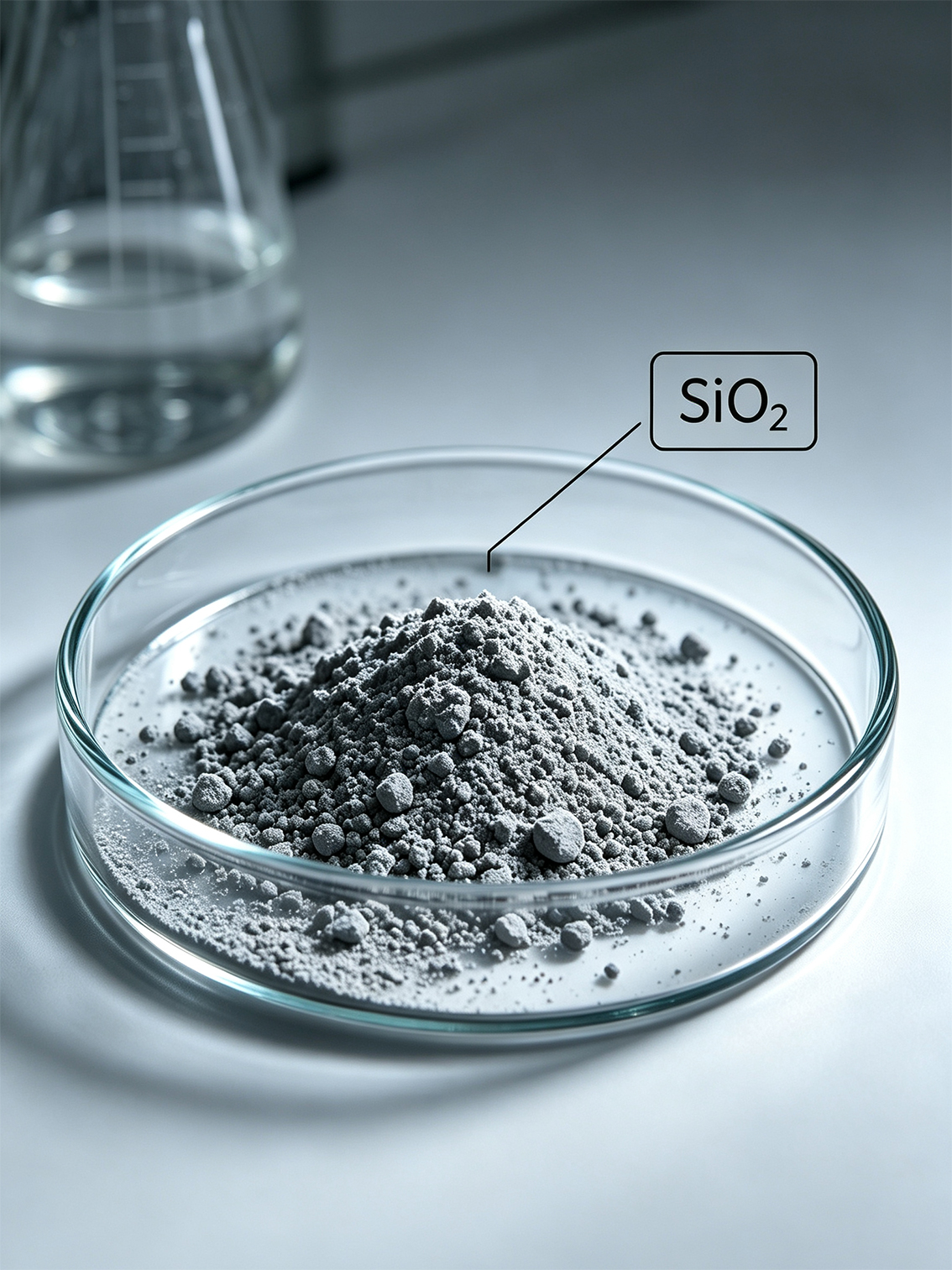
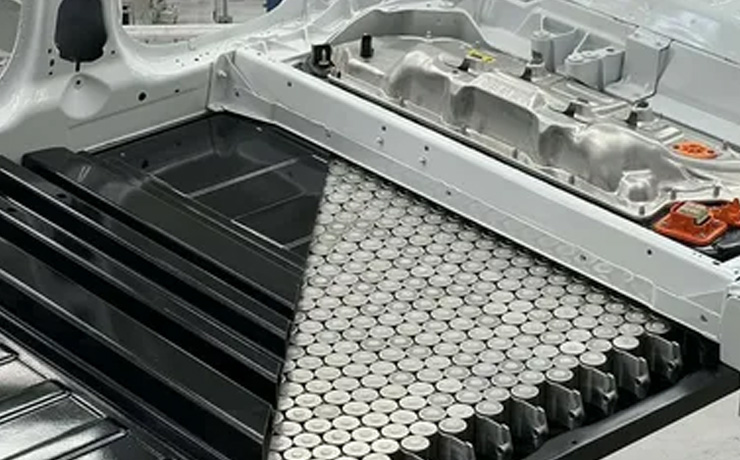
High theoretical capacity is the most prominent advantage of silicon-based materials. This means that, for the same mass, a silicon-based anode can store more lithium ions, thereby increasing battery energy density. For electric vehicles, increased energy density helps extend driving range or reduce battery weight while maintaining the same driving range.
Furthermore, the lithium intercalation potential is slightly higher than that of graphite, and compared to graphite, the risk of lithium plating is lower under fast charging and low-temperature conditions. At the same time, silicon resources are abundant and costs are controllable, providing a foundation for large-scale application.
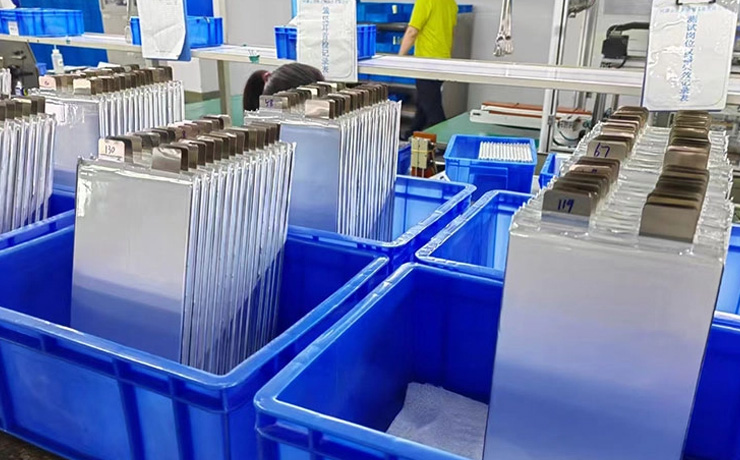
Currently, silicon-based anodes have been used in some high-end consumer electronics batteries and small-batch power batteries, with relatively low silicon doping ratios, primarily using silicon-carbon composites or silicon suboxide. The industry as a whole is still in the transitional stage from laboratory to large-scale production, with the core challenge being balancing high capacity and long cycle life while controlling costs.
Looking at the trend, with the maturation of manufacturing processes, cost reduction, and the improvement of supporting material systems, silicon-based materials are expected to gradually expand their application in power batteries and energy storage. For a considerable period in the future, silicon-based materials are more likely to gradually penetrate the market in the form of "silicon-doped graphite," rather than completely replacing graphite.
Silicon-based materials for lithium-ion batteries represent a crucial direction for the development of high-energy-density batteries. With a theoretical capacity far exceeding that of graphite, they offer new possibilities for improving battery performance; however, issues such as volume expansion and cycle life still require continuous research and development. For the average reader, understanding the principles and current status of silicon-based materials will help in a more rational view of the evolution of battery technology and related news.
(+86)400-990-6600
sales.lib@mikrouna.com