
Search
 English
With the booming development of new energy vehicles and intelligent energy storage systems, the core raw material for lithium-ion batteries—the cathode material—is undergoing unprecedented technological iteration. Among the many cathode materials, ternary materials, with their high energy density and excellent overall electrochemical performance, have become the mainstay of the mid-to-high-end power battery field.
So, what exactly are ternary materials? What are their core performance indicators? And how do they achieve high stability and long lifespan?
Ternary materials typically refer to lithium-ion battery cathode materials containing three transition metal elements: Li(Ni,Co,Mn/Al)O₂. Currently, the most mainstream are nickel-cobalt-manganese (NCM) or nickel-cobalt-aluminum (NCA). In these materials, the three metal elements play a synergistic role, jointly determining the overall electrochemical performance of the battery:
Nickel: Primarily provides active capacity. The higher the proportion of nickel, the more energy the battery can store, i.e., the higher the energy density.
Cobalt: Primarily plays a role in stabilizing the layered structure, improving electronic conductivity, charge/discharge rate performance, and suppressing cation mixing.
Aluminum: Does not directly participate in electrochemical reactions, but significantly improves the structural stability and thermal safety of the material.
By adjusting the molar ratio of these three elements, research and industry can formulate cathode materials suitable for different end-application scenarios. Examples include common NCM523, NCM622, and the high-nickel NCM811.
To meet the diverse power demands of the market, the industry typically optimizes ternary materials into the following three main categories:
1. Power Type: Focuses on continuous and stable current output, long cycle life, and extremely high electrochemical energy. Suitable for power batteries in new energy passenger vehicles and commercial vehicles.
2. Energy Storage Type: Emphasizes extremely high safety, ultra-long cycle life, and excellent cost-effectiveness. Suitable for grid-side peak shaving and frequency regulation, home energy storage, and base station backup power.
3. Rate Type: Supports high-current rapid charging and discharging, possessing extremely high transient output power. Used in drones, high-power power tools, and hybrid vehicles.
Combined with current cutting-edge industrial production standards, high-quality ternary cathode materials possess the following unparalleled core advantages in practical applications:
1. "Energy Leap" Brought by High Voltage Platform and High Nickel Content
The actual operating voltage platform of ternary materials is typically in a higher range. Compared to the approximately 3.2V voltage platform of lithium iron phosphate, its specific capacity has a significant advantage, which can greatly improve the single-charge driving range of vehicles.
In recent years, with the evolution of materials science, "high nickel content" has become a major development trend in the industry. The energy density of high-nickel ternary materials is further improved compared to traditional ternary materials, which is the core key to achieving breakthroughs in long-distance driving range for electric vehicles.
2. Excellent Electrochemical and Low-Temperature Performance
Excellent Rate Performance: By microscopically controlling the cathode particles and adopting a small particle size design, the diffusion path of lithium ions within the active material can be significantly shortened. This allows the battery to support fast charging at 2C or even higher rates and high-current discharge.
Excellent Low-Temperature Adaptability: In extremely cold regions, the capacity of ordinary batteries is prone to a precipitous drop. High-quality ternary materials maintain a very high capacity retention rate even at -20℃, which can greatly alleviate range anxiety in cold winter climates.
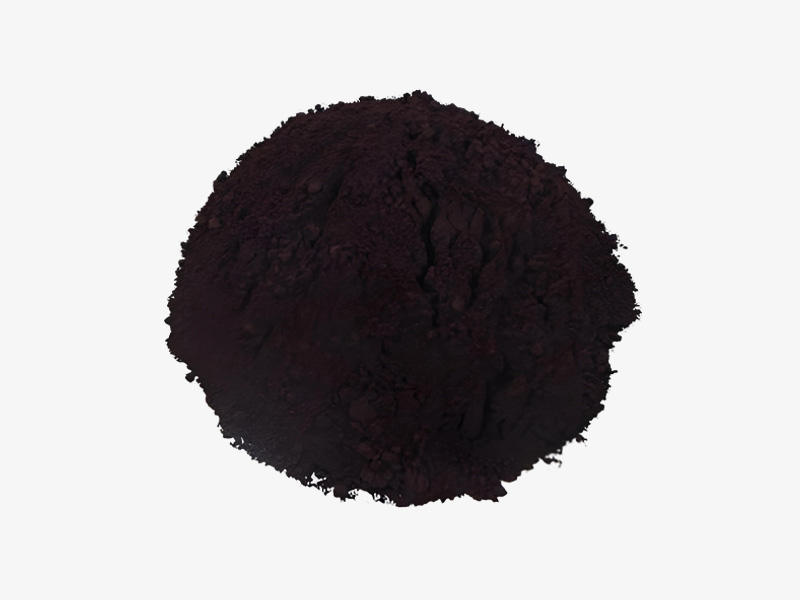
While high nickel content brings ultra-high energy density, it also presents challenges such as decreased structural stability, side reactions during cycling, and increased risk of thermal runaway. To balance safety and long lifespan, the industry commonly employs the following two advanced process modification methods:
1. Single Crystallization Technology
Traditional cathode materials are mostly polycrystalline secondary aggregates. During long-term high-voltage cyclic charging and discharging, anisotropic contraction between crystals easily leads to internal cracking of the particles, which in turn causes electrolyte intrusion and side reactions, resulting in rapid capacity decay.
However, single-crystal particles prepared through molten salt-assisted sintering do not suffer from grain boundary cracking, resulting in extremely strong microstructural integrity. Single crystallization technology effectively mitigates particle breakage under high voltage, greatly improving the cycle life and stability of the material.
2. Surface Oxide Nanocoating
A very thin layer of inert oxide is uniformly coated onto the surface of ternary material particles, providing a dual function of physical barrier and chemical inertization:
Physical isolation: Prevents direct contact between the positive electrode active surface and the electrolyte, effectively inhibiting the dissolution and loss of transition metals;
Gas generation suppression: Significantly slows down the release of active oxygen under high voltage, suppresses electrolyte side reactions, and reduces the "bulging" gas generation rate of the battery during long cycles;
Improved thermal stability: Increases the overall thermal decomposition temperature of the material, significantly improving the thermal safety performance of the material under extreme conditions.
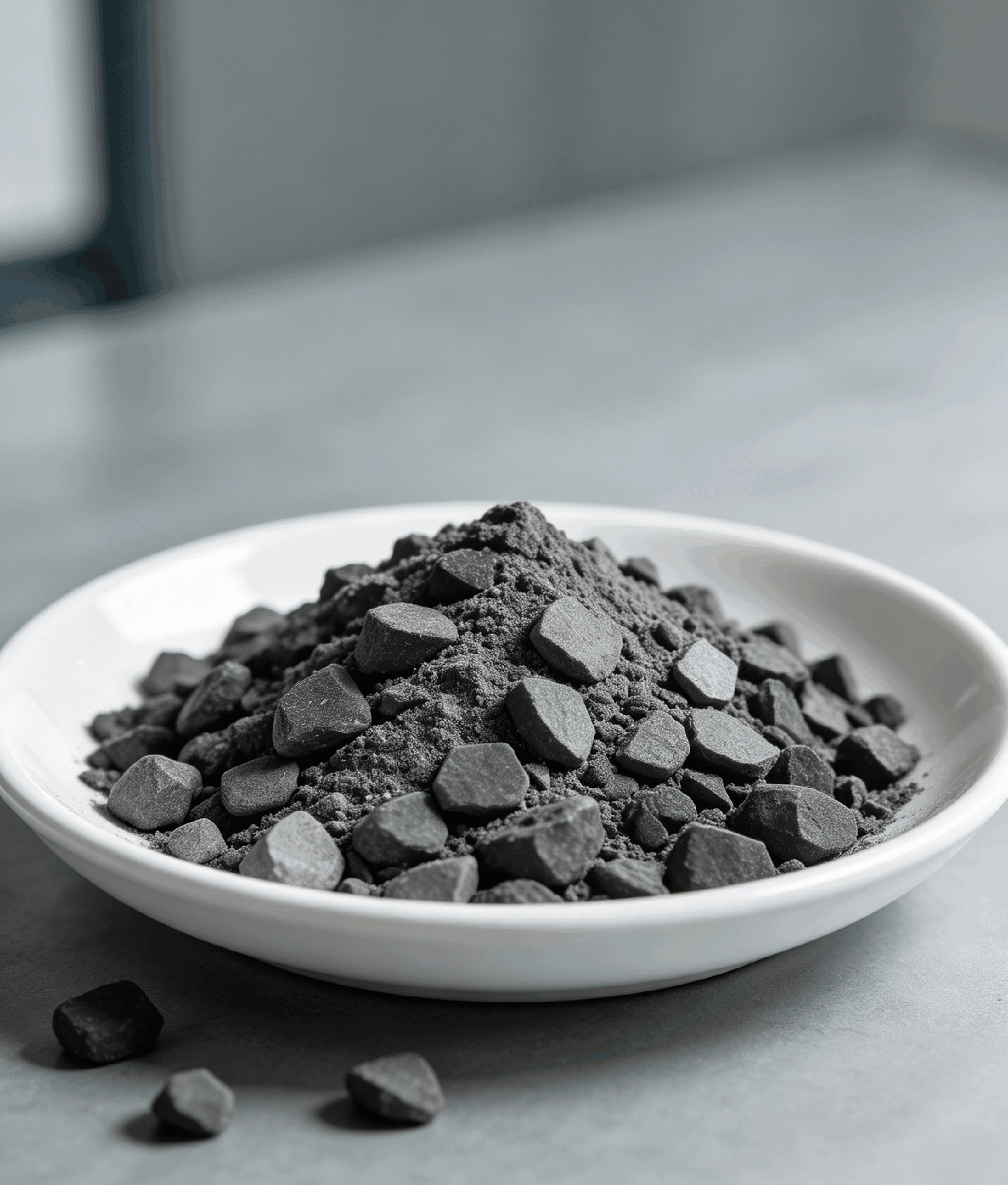
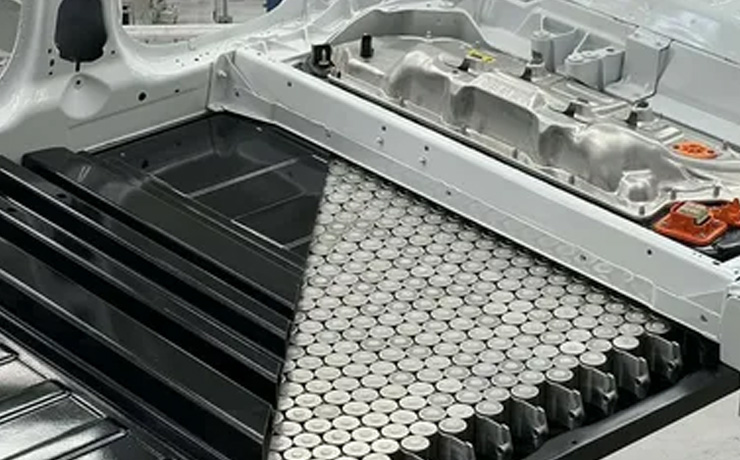
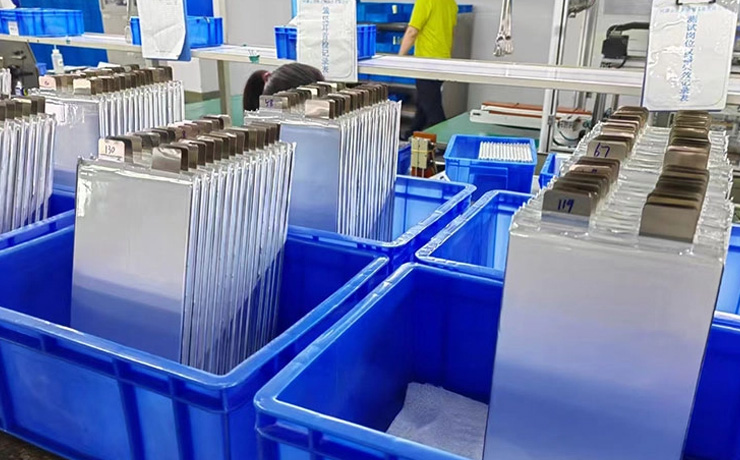
As the key power "heart" of the new energy era, ternary cathode materials, through precise adjustment of the transition metal element ratios combined with cutting-edge processes such as single crystallization and coating modification, have perfectly achieved a virtuous balance between high energy density, high and low temperature stability, and safety. With the further popularization of advanced technologies such as high-nickel low-cobalt and ultra-high-nickel single crystals, ternary materials will continue to drive new energy mobility, smart energy storage, and other fields towards a more efficient and safer future.
(+86)400-990-6600
sales.lib@mikrouna.com