
Search
 English
Among the constituent materials of lithium-ion batteries, polyvinylidene fluoride (PVDF) plays a role that appears frequently yet is easily overlooked. While many focus on cathode materials, anode materials, electrolytes, and separators, few stop to consider: how do those powdery active materials remain firmly adhered to the metal foils?
Polyvinylidene fluoride, abbreviated as PVDF, is a fluorinated polymer. Produced through the polymerization of vinylidene fluoride monomers, it exhibits excellent chemical corrosion resistance, high-temperature resistance, electrical insulation properties, and mechanical strength.
In lithium-ion battery manufacturing, PVDF does not serve as the primary material for energy storage; instead, it is used as a binder and a separator coating material. Although used in relatively small quantities, it has a direct impact on the battery's processability, cycle life, and safety performance.
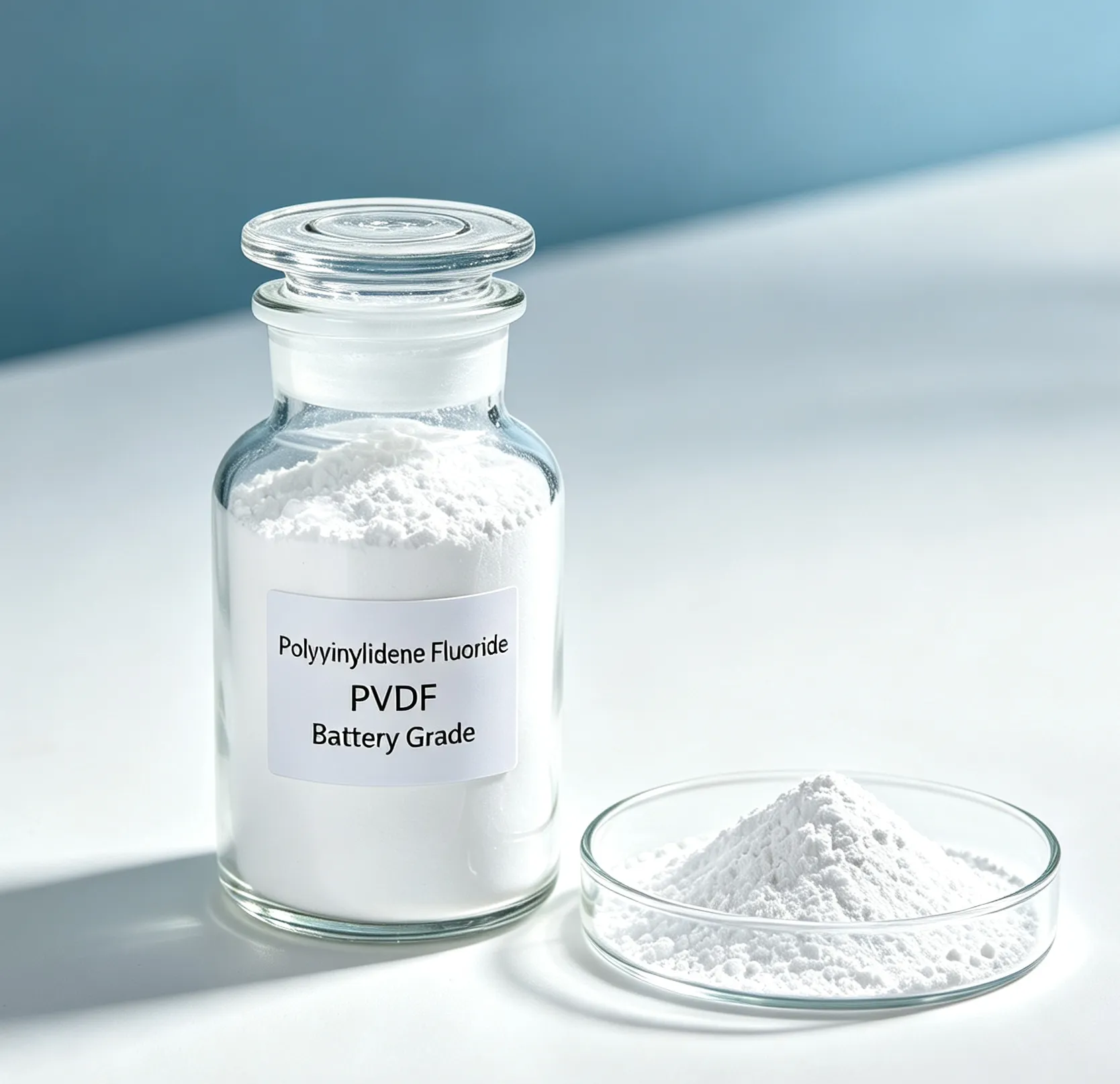
This is the most common application of PVDF in lithium-ion batteries. The production process for cathode electrodes typically involves mixing the cathode active material, conductive agent, and PVDF in specific proportions; dispersing them into a slurry using the organic solvent N-Methyl-2-pyrrolidone (NMP); and then coating the mixture uniformly onto aluminum foil.
PVDF functions by binding the active material and conductive agent particles together while ensuring the entire coating adheres firmly to the surface of the current collector. It should be noted that industrial-scale production of graphite anodes generally employs water-based binder systems (CMC+SBR) rather than PVDF; PVDF is the mainstream binder specifically used for lithium-ion battery cathodes. Insufficient adhesion can lead to issues such as powder shedding and cracking of the electrode, increased internal resistance, accelerated capacity degradation, and even localized overheating.
In addition to serving as an electrode binder, PVDF is used for the functional coating of lithium-ion battery separators. Applying a functional PVDF coating to the surface of polyolefin separators significantly enhances adhesion between the separator and the cathode/anode electrodes. Following the hot-pressing and lamination of the battery cell, this coating effectively inhibits interlayer displacement and deformation. It also optimizes the separator's wettability and electrolyte retention capabilities, thereby improving the cell's cycle stability and safety performance.
Such coated separators are widely used in pouch cells and certain high-end power batteries, helping to enhance the battery's cycle stability and safety.
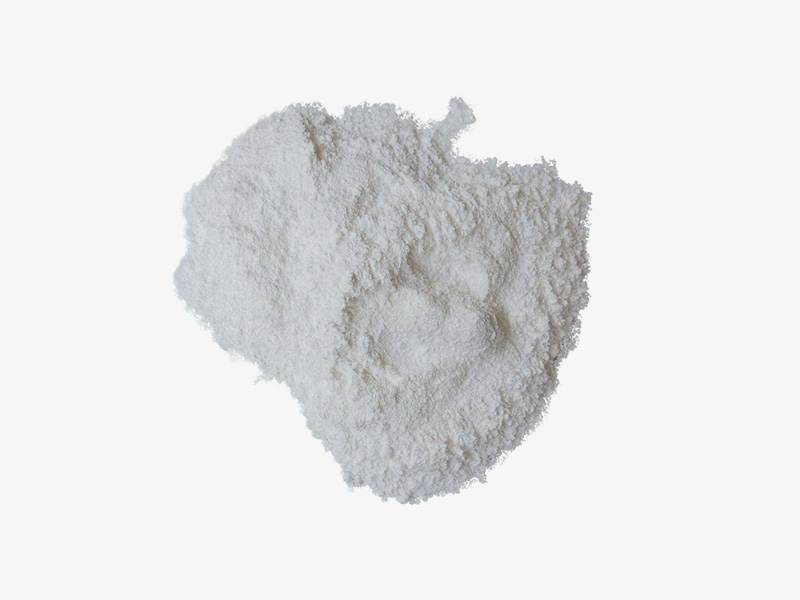
Inside the electrode, materials are continuously immersed in organic electrolyte; they are subjected to a wide voltage range during charge and discharge cycles and generate heat. Conventional binders tend to swell, decompose, or lose their adhesive properties in such environments.
PVDF is widely used primarily for the following reasons:
1. Excellent resistance to electrolytes: PVDF has very low solubility in common electrolytes (such as carbonates) and is resistant to corrosion or swelling.
2. High electrochemical stability: Within the normal operating voltage range of lithium batteries, PVDF does not readily undergo significant redox reactions.
3. Moderate adhesion: It effectively binds active material and conductive agent particles of varying shapes and sizes while maintaining a degree of flexibility in the electrode sheet.
4. Good processing adaptability: It dissolves in NMP to form a uniform slurry, making it well-suited for coating processes.
As requirements for the energy density of lithium-ion batteries continue to rise, cathode materials are evolving toward high-nickel compositions and high compaction densities, driving a shift in binder requirements. The future development of PVDF is moving in several clear directions:
1. Modified PVDF with high adhesion: Enhancing adhesion to high-nickel particles and current collectors through copolymerization or the introduction of polar groups.
2. Low-swelling, high-voltage-resistant PVDF: Minimizing swelling in the electrolyte to maintain the structural stability of the electrode sheet.
3. Compounding with other materials: Combining PVDF with small amounts of other polymers or inorganic nanomaterials to improve processability or thermal stability.
4. Cost and supply optimization: As PVDF upstream raw materials are linked to the fluorine chemical industry—a sector characterized by significant price volatility—ensuring stable supply and reducing costs remain key industry priorities.
Although polyvinylidene fluoride (PVDF) in lithium batteries is not a material that directly provides energy, it plays an irreplaceable role in electrode structure and battery reliability. It binds the active material and conductive agent together, ensuring the integrity of the electrode sheet during prolonged charge-discharge cycles and influencing the battery's ultimate performance.
(+86)400-990-6600
sales.lib@mikrouna.com