
Search
 English
In today's rapidly developing new energy industry, lithium batteries have permeated every aspect of our lives, from mobile phones and laptops to electric vehicles. Today, we will focus on one of the core components of lithium batteries—graphite anode materials.
Simply put, graphite anode material is the active material used at the end of a lithium-ion battery where lithium ions are released and electrons flow out during discharge. During charging, lithium ions are released from the positive electrode, pass through the electrolyte, and eventually embed into the interlayered spaces of the layered graphite. During discharge, these lithium ions are released from the graphite layers and return to the positive electrode. This process is figuratively called the "rocking chair battery" mechanism.
Graphite is chosen because it has a near-perfect layered crystal structure, with relatively weak van der Waals forces binding the layers together. This provides a smooth channel for the free insertion and extraction of lithium ions, and its small expansion volume helps maintain the long-term stability of the electrode structure.
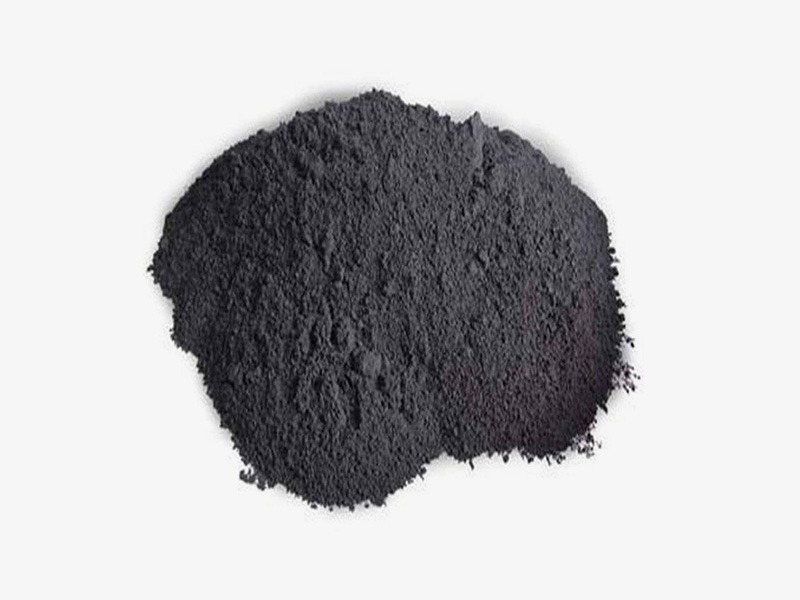
Graphite anode materials on the market are not a single type. Based on their source and processing technology, they are mainly divided into two categories:
Made from natural flake graphite ore through crushing, spheroidizing, and purification processes. Its advantages are high capacity and relatively low processing cost. However, natural graphite has many surface defects, and its compatibility with electrolytes requires complex surface coating and modification technologies to compensate for these defects; otherwise, graphite flake delamination is prone to occur during long-term cycling.
Made using needle coke, petroleum coke, etc., as precursors, through crushing, granulation, and high-temperature graphitization (usually around 3000℃). Artificial graphite has a more regular microstructure and better isotropy, thus exhibiting superior performance in cycle life, rate performance, and expansion control. Currently, in the power battery field, due to higher requirements for safety and long lifespan, artificial graphite dominates. In addition, there are composite or novel carbon-based materials such as mesophase carbon microspheres and soft/hard carbon, but in the current commercial anode market, graphite-based materials still occupy more than 90% of the market share due to their extremely balanced comprehensive performance and mature industrial chain, and their position is difficult to shake for the time being.
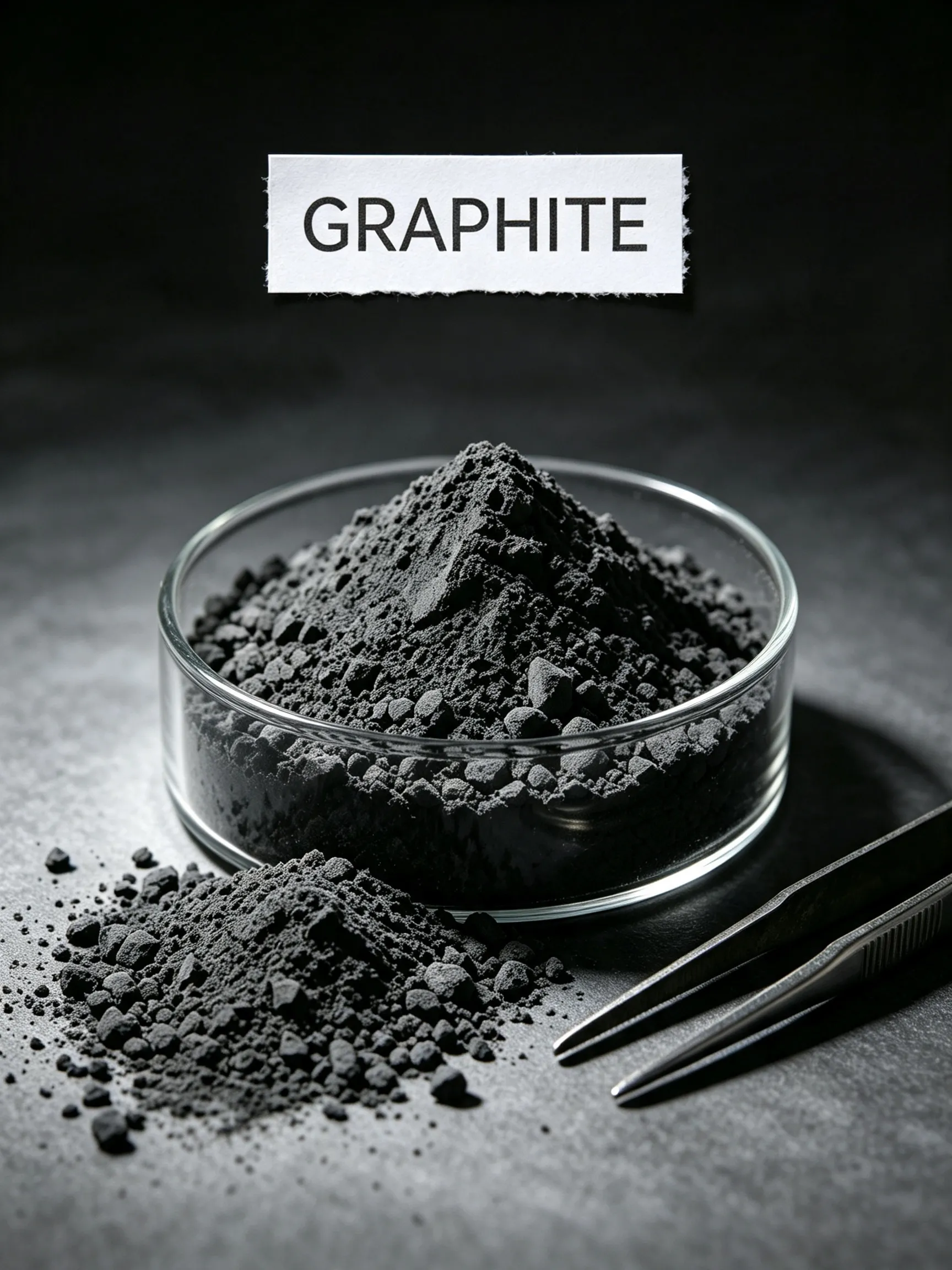
The large-scale industrial application of a material depends on the balance between performance, cost, and stability. The success of graphite anodes is based on this:
◎ Stable voltage platform: Graphite has a very low and stable lithium insertion/extraction potential, providing a stable operating voltage, which is beneficial for the energy density output of batteries.
◎ High theoretical capacity:Graphite's theoretical specific capacity is 372 mAh/g. While not comparable to next-generation materials like silicon, it is sufficient to support current consumer and automotive needs, and the actual reversible capacity is very close to the theoretical value.
◎ Abundant resources and mature technology:Carbon is widely available, and the production technology of artificial graphite has been refined over decades, forming a vast industrial ecosystem.
Of course, graphite anodes also have their limitations, such as limited potential for energy density improvement and the risk of lithium plating at low temperatures. This drives the industry to continuously research cutting-edge technologies such as silicon doping and pre-lithiation. However, from the perspectives of cost and reliability, graphite anodes will remain a stable cornerstone for the commercialization of lithium batteries for a long time to come.
In summary, understanding graphite anode materials is a crucial step in understanding the energy storage logic of lithium-ion batteries. Seemingly simple and unassuming, it is the indispensable "heart" of the current new energy world. While we certainly anticipate breakthroughs in new materials such as silicon-carbon composite anodes as technology evolves, even with further technological advancements, the wisdom of graphite in stable structural design and conductive network construction will continue to inspire new material research and development.
(+86)400-990-6600
sales.lib@mikrouna.com