
Search
 English
In lithium-ion battery systems for consumer electronics such as mobile phones, laptops, and Bluetooth headsets, lithium cobalt oxide is one of the most classic and widely used cathode materials. In some early technical documents and materials, it was also called lithium cobalt oxide. The standard academic and industry name is lithium cobalt oxide. As the first commercially available lithium-ion battery cathode material, it laid the foundation for the development of modern lithium-ion batteries and still holds an irreplaceable position in the 3C energy storage field. So, what exactly is lithium cobalt oxide? Why does it hold such a classic position in the lithium-ion battery field?
Lithium cobalt oxide, with the chemical formula LiCoO₂, is an inorganic layered transition metal oxide composed of lithium, cobalt, and oxygen. It was first used in the first commercially available lithium-ion battery in 1991. After more than 30 years of development, this material remains a core energy storage material for portable consumer electronics batteries due to its stable overall performance.
Lithium cobalt oxide has a unique crystal structure: cobalt and oxygen form a robust layered framework of CoO₂, with lithium ions embedded between these layers, allowing them to move relatively freely.
During charging, lithium ions are extracted from the layered lattice of the positive electrode, migrate through the electrolyte, and embed into the graphite negative electrode. The discharging process is completely reversible; lithium ions are extracted from the negative electrode and flow back into the layers of the positive electrode. This highly stable and reversible electrochemical reaction allows the battery to be repeatedly charged and discharged.
This layered structure results in a high voltage plateau, typically with a nominal voltage of 3.6V-3.7V, which was relatively high for consumer batteries then and still is today, significantly contributing to increased energy density.
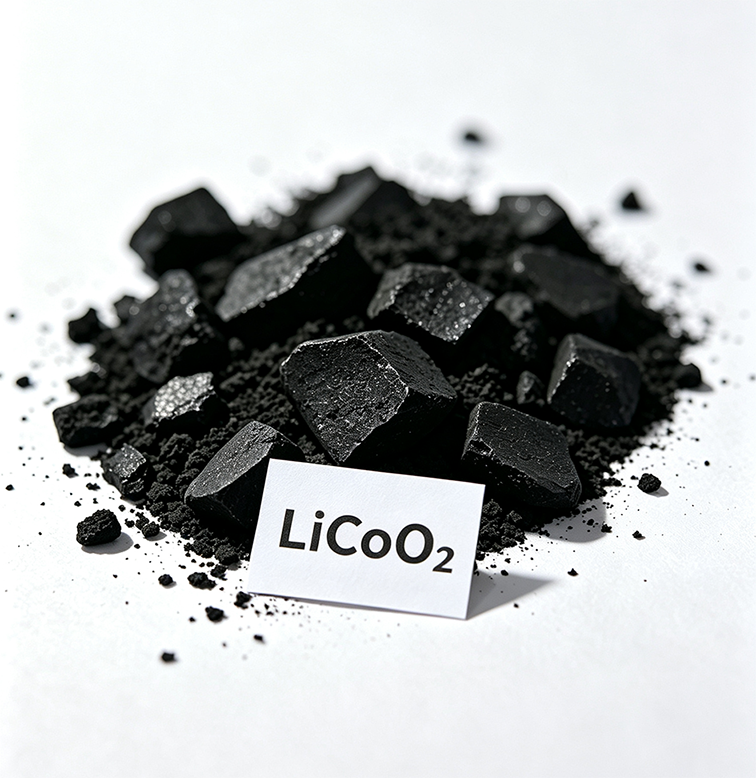
1. High Energy Density: Possessing extremely high volumetric energy density and compaction density, this battery can store more energy in a limited space, making it particularly suitable for devices such as mobile phones and tablets where thickness and size are critical.
2. Stable Cycle Performance: Under standard charge/discharge voltage windows and normal operating conditions, it exhibits strong lattice structure stability and excellent cycle life, meeting the long-term, high-frequency charge/discharge requirements of consumer electronics.
3. Mature Manufacturing Process: After more than thirty years of iterative development, the production, purification, and modification technologies of lithium cobalt oxide are highly refined, resulting in high product consistency, strong mass production stability, and significant industrial application value.
Areas Due to limitations such as scarce cobalt resources, high cost, and generally poor stability under high temperature and pressure, lithium cobalt oxide is rarely used in large-scale power battery applications such as new energy vehicles, and is mainly focused on small-scale precision energy storage applications:
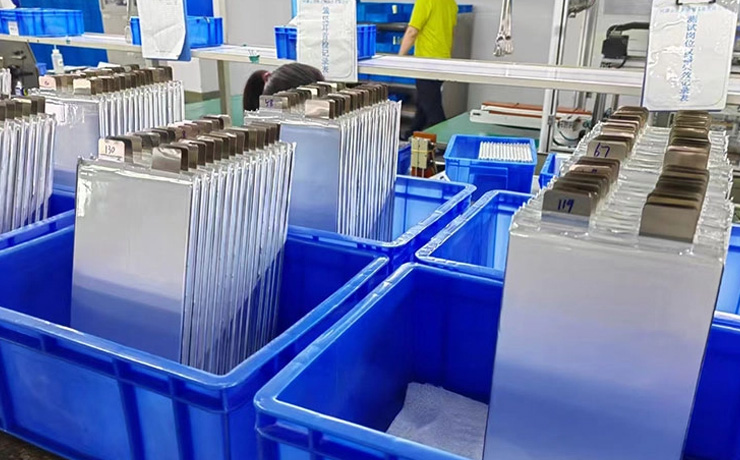
3C digital products: Portable devices such as smartphones, laptops, digital cameras, and wireless headphones prioritize thinness and compactness, which is where lithium cobalt oxide excels in its high volumetric energy density.
Small power tools: Some professional tools that are sensitive to battery size and have protection circuits also utilize it.
Specific medical devices: Small medical instruments that require stable voltage and high energy density.
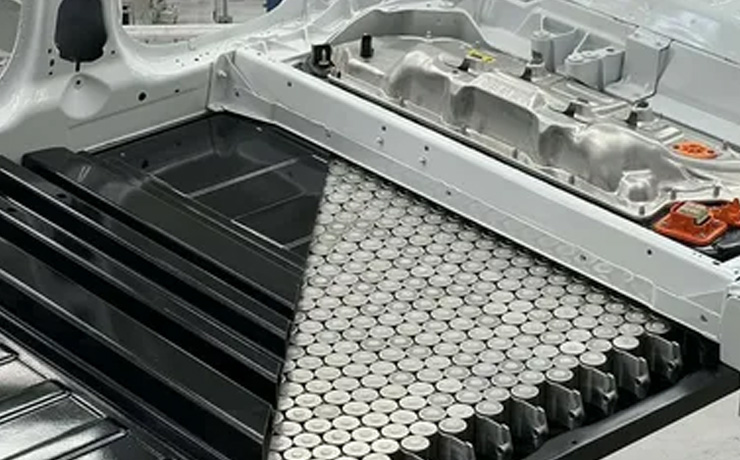
Currently, lithium iron phosphate and ternary materials dominate the power battery market due to their advantages such as high safety, low cost, and high rate capability. However, in the consumer electronics sector, which pursues thinner, lighter, higher voltage, and higher volumetric energy density, the core position of lithium cobalt oxide cannot be replaced in the short term.
Research directions focus on improving the structural stability and cycle life of lithium cobalt oxide under high voltage and high temperature conditions through surface coating, element doping, and other modification techniques. Reducing the cobalt content effectively controls costs and extends the industrial life cycle of this classic lithium battery material.
(+86)400-990-6600
sales.lib@mikrouna.com