
Search
 English
In the lithium battery manufacturing process, "lithium battery coated positive electrode roll" is a term that often appears in process discussions. It is neither a standalone battery product nor a final product, but rather an intermediate form in the manufacturing process of the positive electrode.
A lithium-ion battery coated positive electrode roll typically refers to a roll of positive electrode material formed by uniformly coating a positive electrode slurry onto the surface of a current collector aluminum foil, followed by drying and winding. Simply put, it consists of two parts: one is the aluminum foil current collector that carries and conducts electricity, and the other is the positive electrode active material layer coated on the aluminum foil.
Positive electrode slurry is generally made by mixing positive electrode active materials, conductive agents, binders and solvents in a certain proportion. Different lithium battery systems, such as lithium iron phosphate and ternary materials, use different cathode materials, but the basic purpose of the coating process is similar: to allow the cathode material to adhere to the aluminum foil with a relatively uniform areal density, providing a basis for subsequent rolling, slitting and cell assembly.
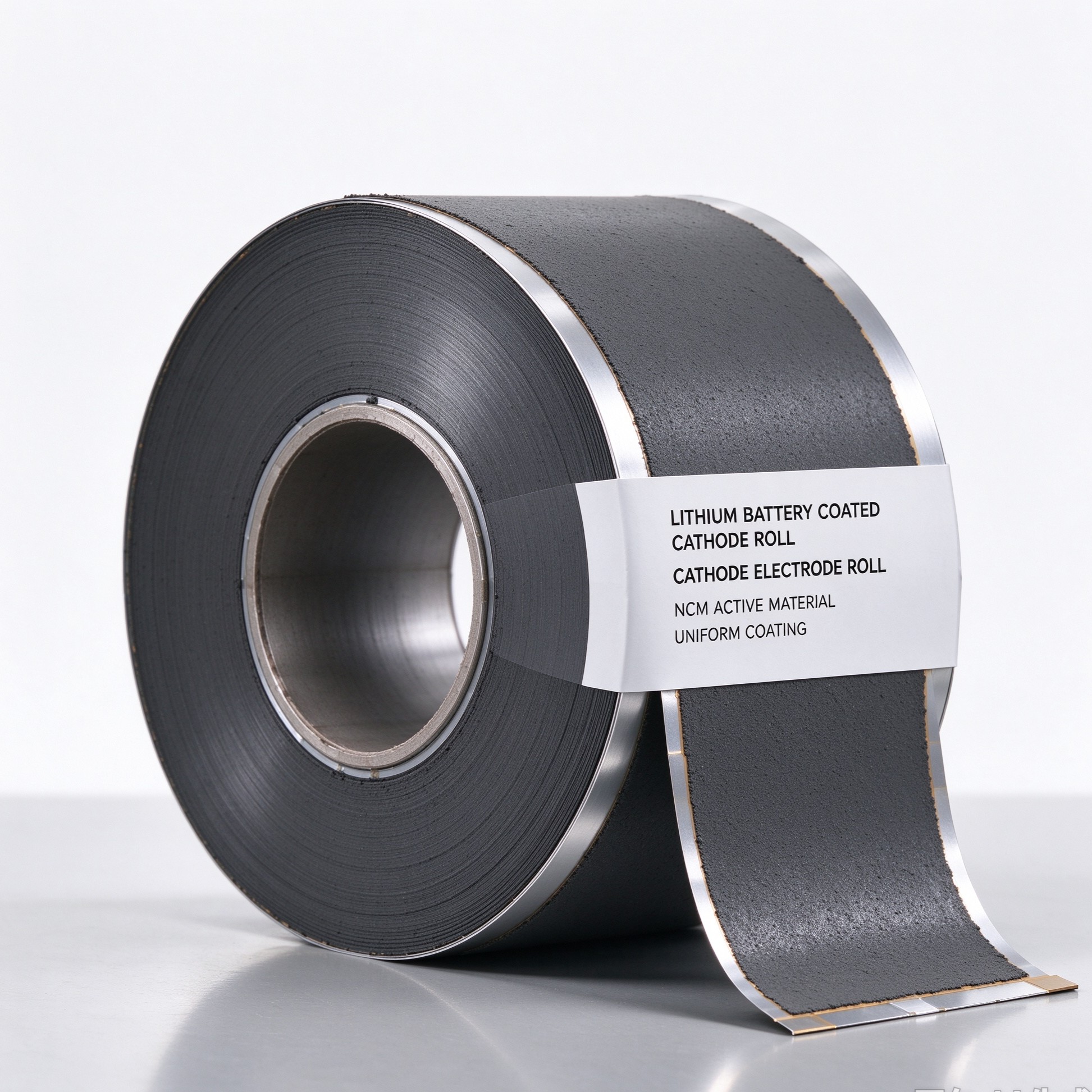
The formation of the positive electrode roll typically involves several consecutive steps: slurry preparation, coating, drying, and winding. During coating, the slurry is applied to one or both sides of the aluminum foil; the drying process removes the solvent, allowing the coating to initially cure; then, the long strip of positive electrode sheet is rolled into a roll by a winding device, forming what is commonly known as a positive electrode roll.
In actual production, coating methods include transfer coating, slot coating, etc. Different equipment and process parameters can affect the thickness, uniformity, and edge condition of the coating. The cathode winding is neither better the thicker nor the thinner it is; it needs to be matched with factors such as cell design, compaction density, energy density, and manufacturing yield.
When discussing lithium-ion battery cathode coatings, several basic indicators are often considered:
●Areal density: The mass of the cathode coating per unit area, affecting capacity design and consistency.
●Coating thickness and uniformity: Excessive or uneven coating thickness may affect subsequent rolling and electrochemical performance.
●Adhesion: The bonding strength between the coating and the aluminum foil, which is related to the processing and the stability of the electrode.
●Compacted density: The density of the positive electrode coating after roll pressing needs to be comprehensively evaluated in conjunction with the material system.
●Appearance defects such as scratches, missing foil, particles, and uneven edges may affect the yield of battery cell manufacturing.
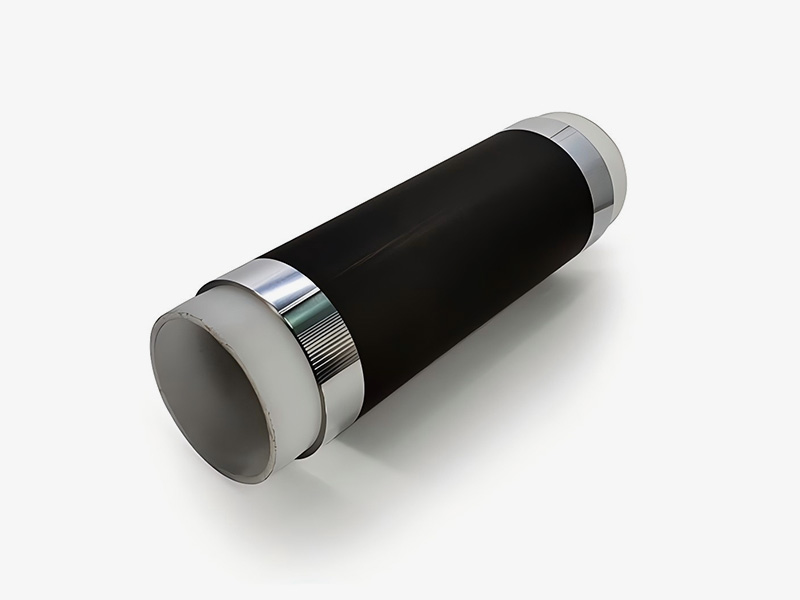
In the lithium battery manufacturing process, the positive electrode roll is usually located in the "positive electrode sheet manufacturing" stage, and then it goes through processes such as rolling, slitting, sheet making, stacking or winding, assembly, liquid injection, and formation. In other words, the positive electrode roll is only an intermediate product. Its quality will affect subsequent processes, but it cannot determine the final performance of the battery on its own.
The quality of positive electrode coating and positive electrode winding is related to the consistency, internal resistance, capacity utilization and manufacturing stability of the battery. For example, excessive fluctuations in areal density may lead to inconsistencies in electrode uniformity; insufficient adhesion may cause powder shedding during slitting or winding; and coating defects may affect local electrochemical behavior. Therefore, the coating process is often regarded as one of the key processes that need to be controlled in lithium battery manufacturing.
Lithium-ion battery coated positive electrode rolls are intermediate roll materials in the positive electrode manufacturing stage. Their basic components include current collector aluminum foil and a positive electrode material layer coated on it. It is neither the same as positive electrode paste nor the same as finished battery cell, but rather an intermediate form connecting the front-end paste preparation and the back-end rolling, slitting, and assembly processes.
(+86)400-990-6600
sales.lib@mikrouna.com