
Search
 English
In lithium-ion batteries, in addition to positive electrode materials, negative electrode materials, electrolytes and separators, there is another type of material that is often overlooked but is very crucial—lithium battery aluminum foil. It is typically used as a positive electrode current collector, which carries the positive electrode active material, collects current, and leads it to an external circuit. It can be said that without stable aluminum foil, the battery's conductivity, cycle life, and safety will all be affected.
Lithium battery aluminum foil generally refers to aluminum foil used in the positive electrode of lithium-ion batteries. Copper foil is typically used as the negative electrode current collector, while aluminum foil is more suitable as the positive electrode current collector because the aluminum has a higher working potential and a dense aluminum oxide passivation film forms on its surface, which can resist the oxidation and corrosion of the electrolyte.
From a materials perspective, battery aluminum foil is mostly made of high-purity aluminum alloys, such as 1060, 1070, and 1235, with a common thickness between 8 and 20 micrometers. As the requirements for battery energy density increase, aluminum foil is also developing towards thinner, stronger, and more uniform designs.
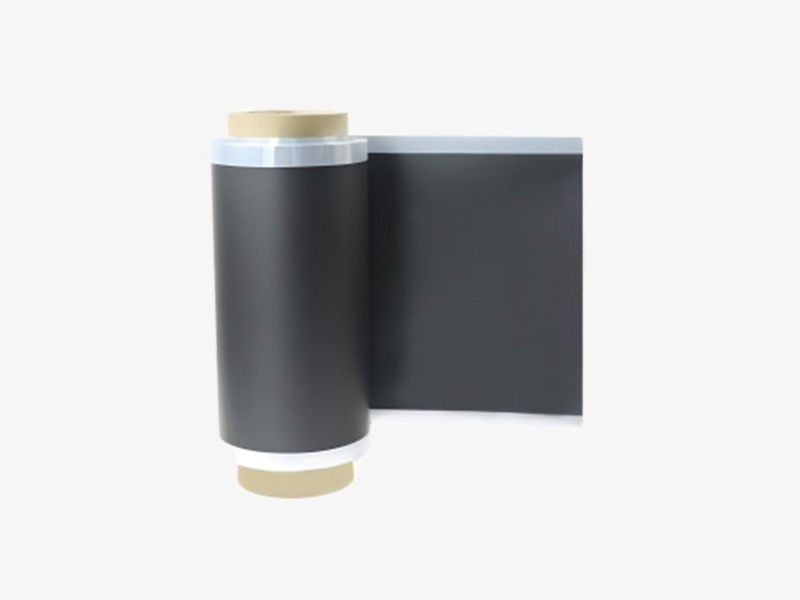
●Electrical Conduction and Current Collection: Rapidly collects and conducts the current generated by the cathode active material.
●Support carrier: Provides a coating substrate for the positive electrode slurry, facilitating uniform coating.
●Heat dissipation assistance: Aluminum has good thermal conductivity, which helps with the distribution of heat inside the battery.
●Mechanical support: maintains structural stability during winding or stacking, preventing breakage or deformation.
Therefore, aluminum foil is not just "a piece of metal foil", but an important component that affects the battery's internal resistance, rate performance, cycle life and manufacturing yield.
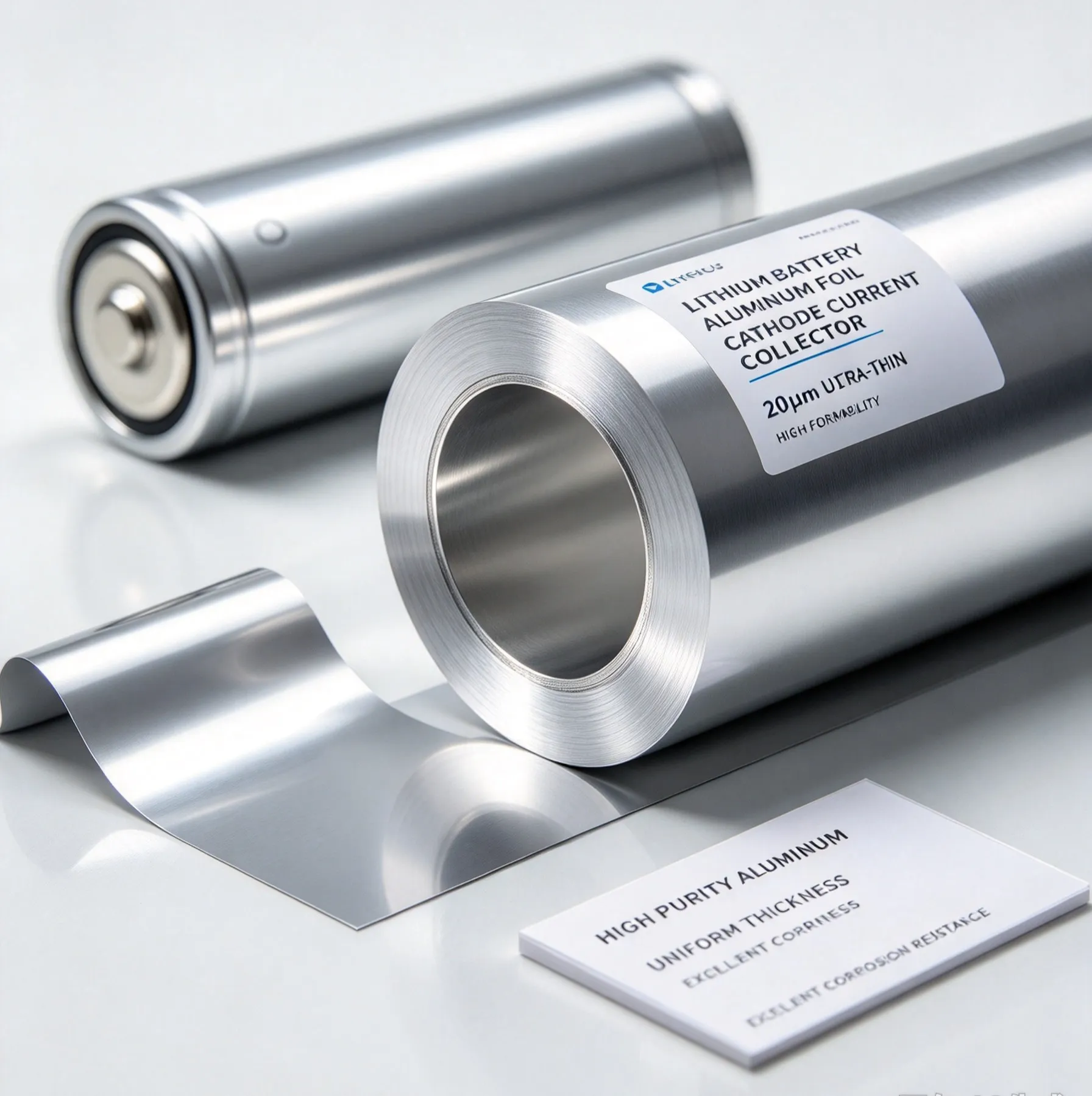
Aluminum foils for lithium-ion batteries generally fall into two categories:
●Plain foil: Aluminum foil without additional surface coating; it is relatively low-cost and widely used.
●Carbon-coated aluminum foil: A conductive carbon coating is applied to the surface of aluminum foil to improve the adhesion between the active material and the current collector, reduce contact resistance, and improve rate performance and cycle stability. Carbon-coated aluminum foil is often used in battery systems with high performance requirements, but it is also relatively more expensive.
In addition, there are new current collector solutions such as composite aluminum foil, which use polymer substrates with metal coatings to improve safety and reduce weight, but they are still under development in terms of conductivity and process maturity.
When evaluating the quality of aluminum foil for lithium batteries, the following indicators are usually considered: Thickness uniformity: ●This affects the consistency of coating and battery consistency.
●Tensile strength and elongation: determine whether the tape is prone to breakage or wrinkling during processing.
●Surface flatness and plate shape: affect coating quality and winding effect.
●Pinholes and burrs: may pose a short circuit risk or coating defect.
●Surface wettability and cleanliness: affect slurry adhesion and residue control.
●Conductivity and adhesion: These relate to internal resistance and cycling performance.
●Corrosion resistance: Must be adaptable to electrolyte environment.
Aluminum foil is a critical material for the cathode current collector in lithium-ion batteries, directly influencing their electrical conductivity, manufacturability, and performance. As battery technology evolves toward higher energy density, enhanced safety, and lower costs, aluminum foil materials will continue to advance in terms of gauge reduction, improved strength and toughness, and enhanced functionality.
(+86)400-990-6600
sales.lib@mikrouna.com