English
May 06,2026
Nickel-plated copper tab (Ni-Cu)
Nickel-plated copper tabs are primarily used as negative electrode leads in lithium-ion batteries. They combine the high conductivity of copper with the oxidation resistance and easy soldering properties of nickel, and are mainly used in electric vehicle batteries and high-rate discharge applications. They effectively reduce battery internal resistance and improve high-current charge/discharge efficiency.
Explore more
May 06,2026
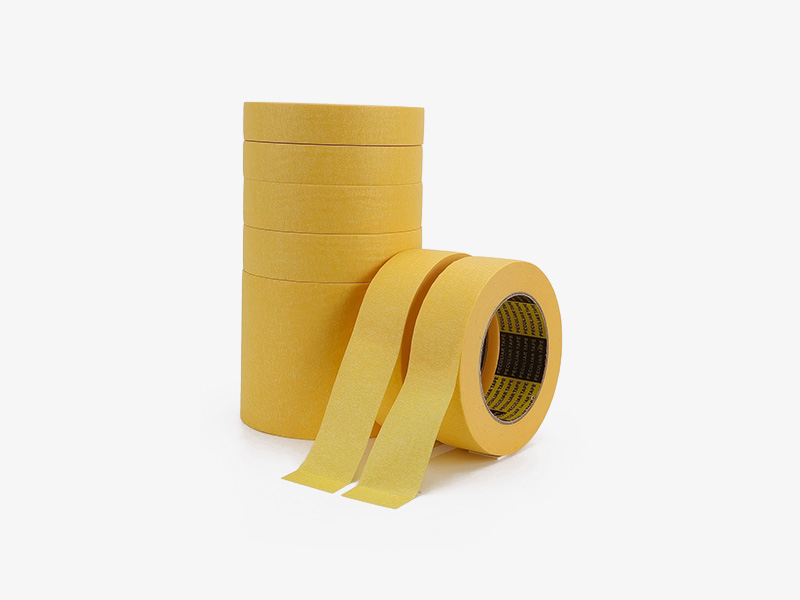
High-temperature tape for electrode ears
High-temperature adhesive tape for battery tabs is mainly used in the manufacture of lithium-ion batteries. Its core functions are insulation, short-circuit prevention, resistance to electrolyte corrosion, and secure encapsulation. It tightly wraps around the seam between the battery tabs and the aluminum-plastic film or casing, and is a key material for ensuring battery safety and performance.
Explore more
May 06,2026
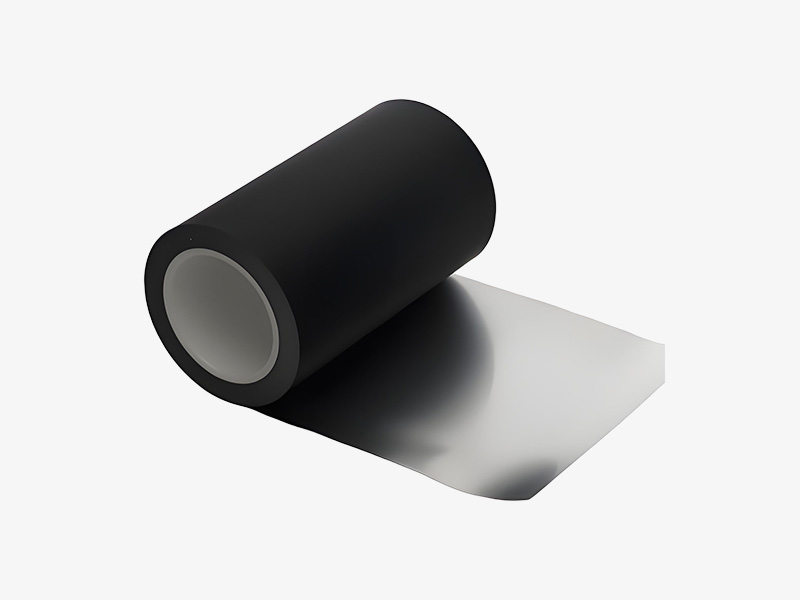
Aluminum-plastic composite film
The aluminum-plastic film roll for pouch batteries is a core material used for packaging lithium-ion battery cells. Its main functions are to protect internal electrode materials from oxidation by the external environment, prevent internal electrolyte leakage, and provide insulation and mechanical support.
Explore more
May 07,2026
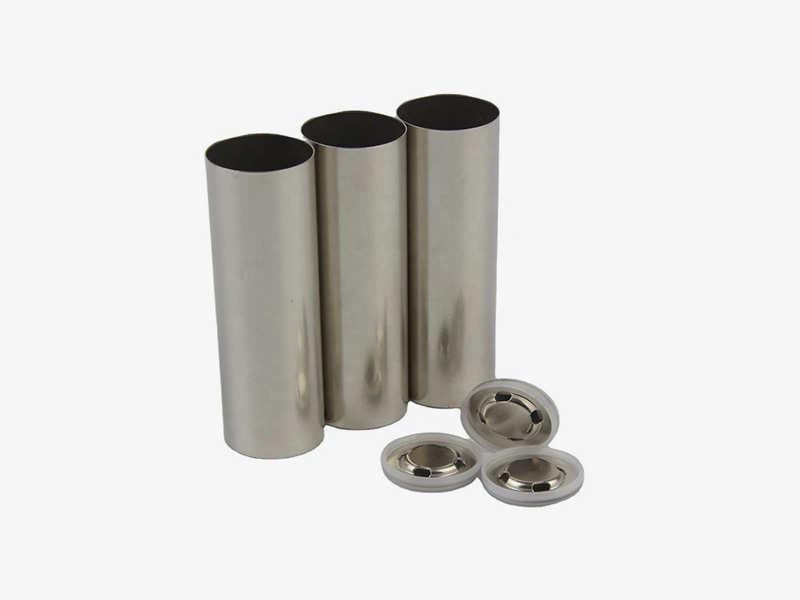
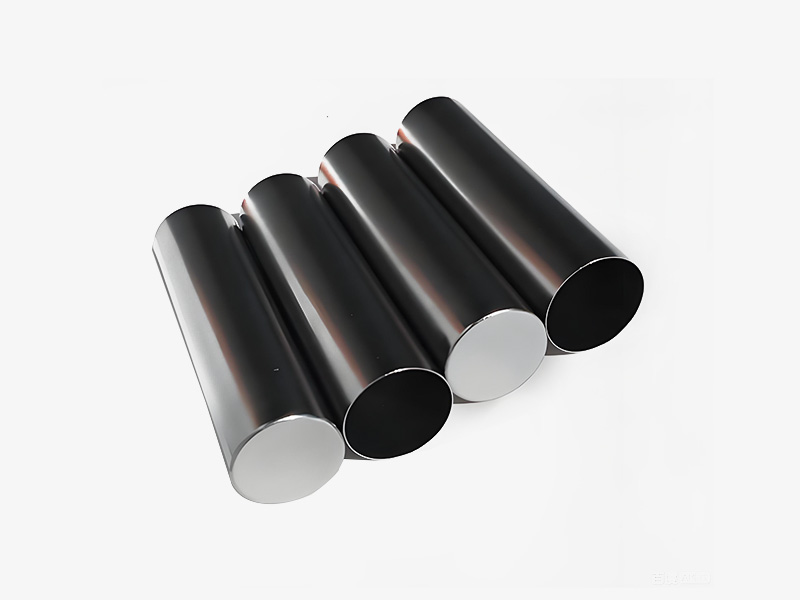
Nickel-plated steel cylindrical shell
Nickel-plated steel cylindrical casings are commonly used in batteries and precision electronic devices. Their core functions are to protect internal components, provide excellent electrical conductivity and corrosion resistance, and impart extremely high physical strength to the structure.
Explore more
May 06,2026
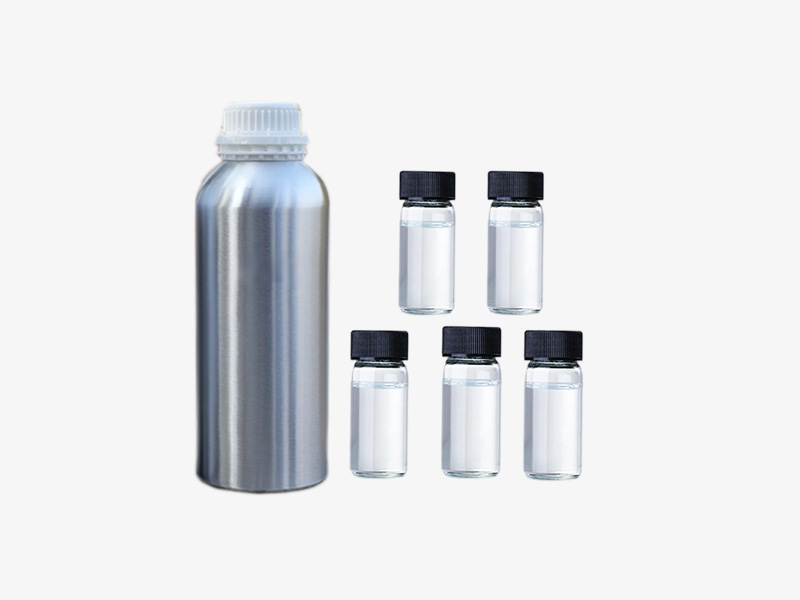
Electrolyte
It mainly consists of three parts: high-purity organic solvents, electrolyte lithium salts (solute), and necessary functional additives. It can be formulated according to the specific ratios of anode and cathode raw materials.
Explore more
May 06,2026
Square PVC heat shrink aluminum shell
The high-quality PVC heat shrink casing provides reliable external protection and insulation packaging for the battery. It has the functions of flame retardancy, wear resistance and protecting the appearance of the shell.
Explore more
May 07,2026
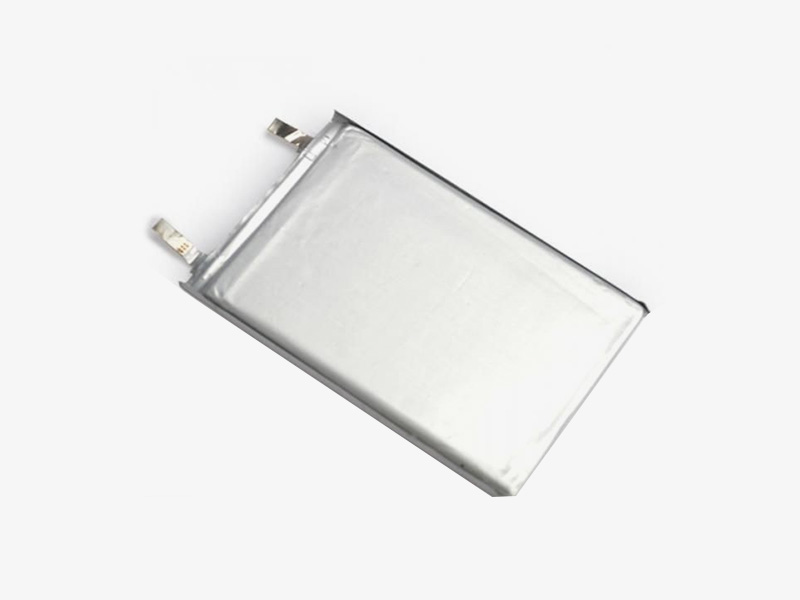
Laminated battery cell
The laminated battery cell is a lithium-ion battery cell manufactured through the lamination process. Its internal structure is composed of positive electrode sheets, negative electrode sheets and separators stacked alternately, forming a multi-layer structure similar to a "sandwich".We can support customized liquid or solid-state battery cells.
Explore more
May 06,2026
Nickel-plated steel Cylindrical outer shell
Specialized in manufacturing high-performance cylindrical battery casings, they are made of high-quality nickel-plated steel or aluminum alloy materials, featuring outstanding corrosion resistance, structural strength and conductivity.
Explore more
May 06,2026
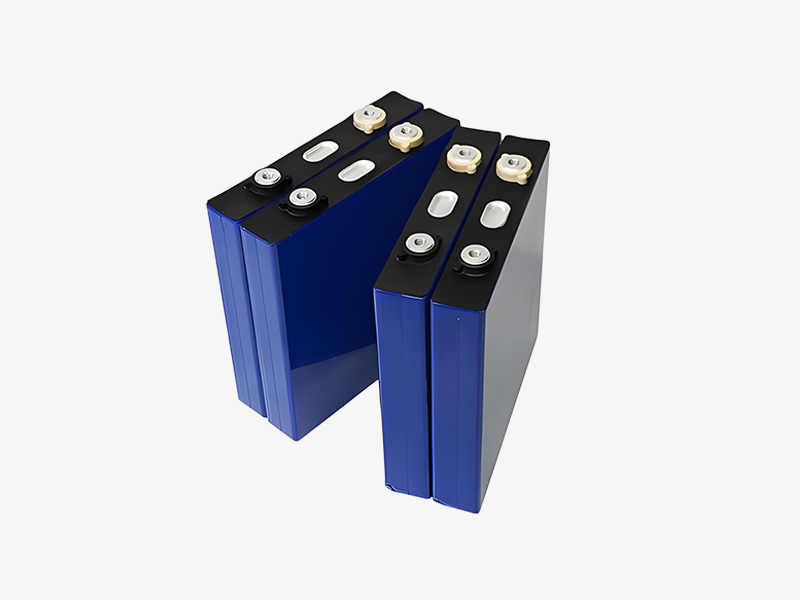
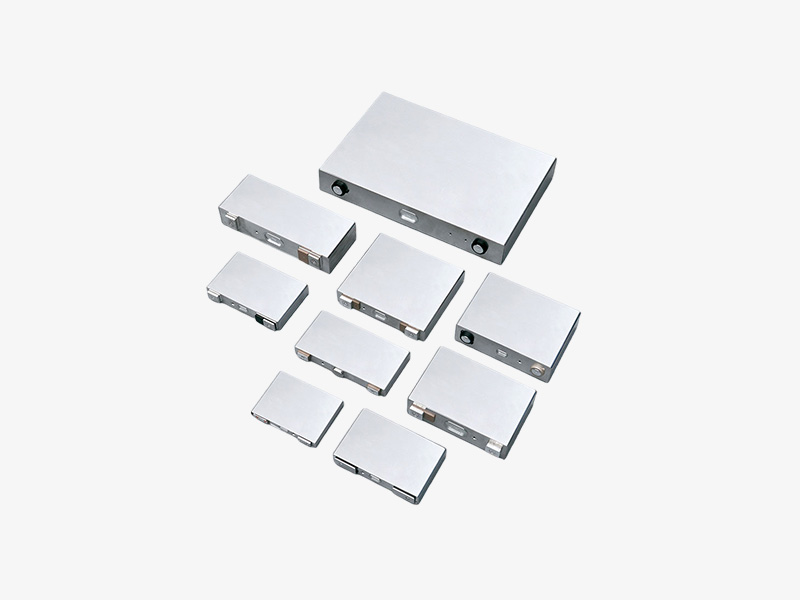
Aluminum alloy casing of square batteries
Specialized in manufacturing various types of square shell battery casings. Our products are specifically designed for power batteries, energy storage modules, and industrial battery systems. They feature reliable structure and support customized sizes and functional configurations, such as explosion-proof valves, terminal holes, and cooling interfaces. We can match industry standard specifications, and also support complete processing according to drawings. Our aim is to provide safe, stable, and easily integrable battery casing solutions for applications such as electric vehicles, energy storage stations, and communication equipment.
Explore more
Apr 25,2026
3C Electronic Products
Explore more
Apr 25,2026
3C Electronic Products
Explore more
Apr 24,2026
From Materials to Processes: The Innovative Trends and Reliability Enhancement of Battery External Protection Structures
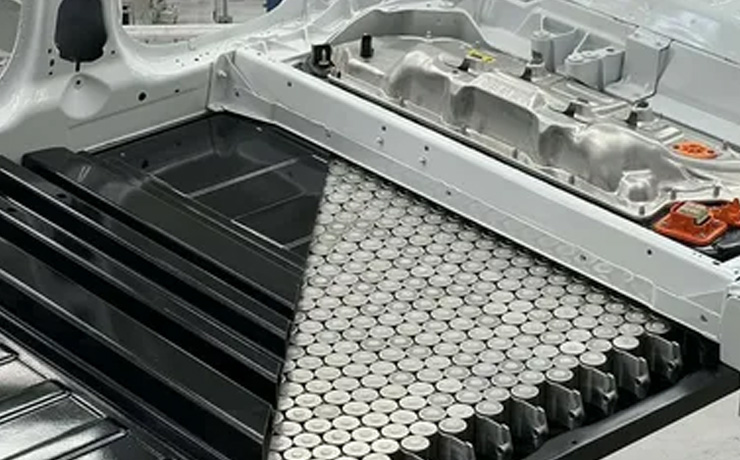
With the rapid development of electric vehicles, energy storage systems, and portable electronic devices, battery technology has become the core driving force of the energy revolution. However, the safety, durability, and environmental adaptability of batteries remain the key challenges that restrict their large-scale application. The external protective structure of batteries serves as the first line of defense, and it not only needs to withstand mechanical impacts, thermal runaway, and chemical corrosion, but also needs to consider lightweighting, cost-effectiveness, and manufacturing efficiency. This article will explore the latest trends in the external protective structure of batteries and how they can promote reliability improvement from two dimensions: material innovation and process upgrading.
Explore more