English
Apr 24,2026
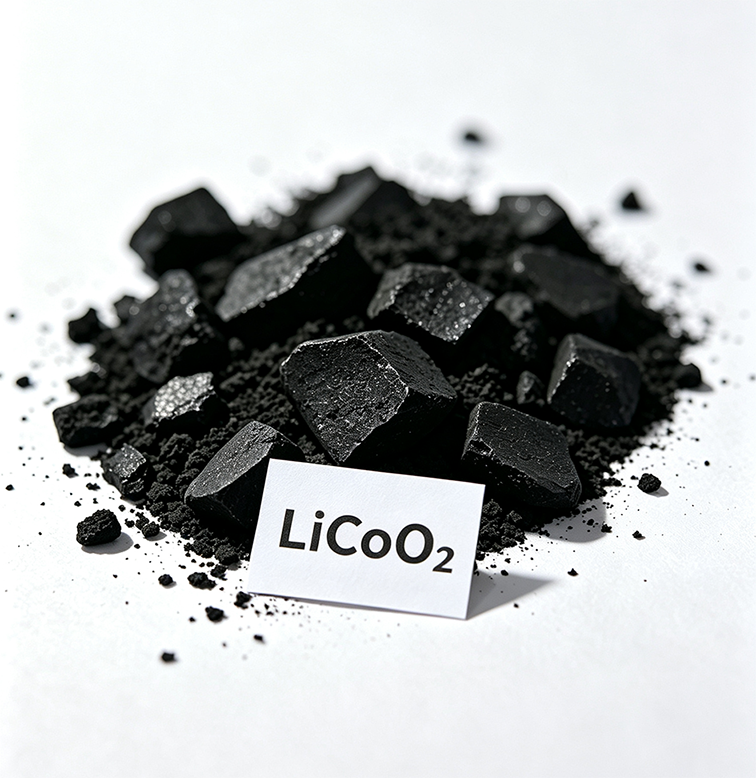
Lithium cobalt oxide (LCO)
The working voltage is high, the compaction density is large, the charge and discharge speed is fast, and the cycle life is high. The compacted density is high (≥ 2.5 g/cm³), the charge and discharge curve is smooth, the working voltage platform is high (3.7V), and it dominates in the miniaturized and high energy density scenarios (such as batteries for smartphones, tablets, laptops, drones, etc.).
Explore more
Apr 24,2026
Ternary material
It has superior performance, high energy density, high stability, long cycle life, excellent low-temperature performance, and good processing performance. It is suitable for the research and production of lithium-ion battery cells such as power batteries and energy storage batteries.
Explore more
Apr 24,2026
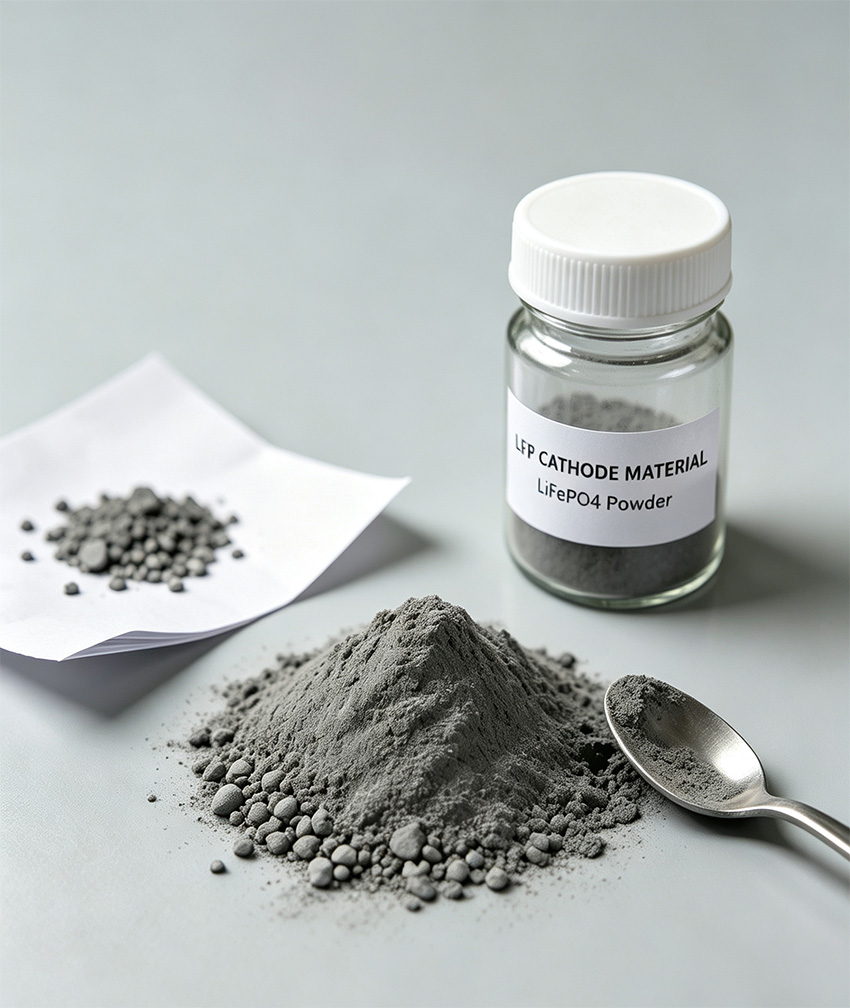
Lithium iron phosphate (LFP)
It has superior performance, high energy density, high stability, long cycle life, excellent low-temperature performance, and good processing performance. It is suitable for the research and production of lithium-ion battery cells such as power batteries and energy storage batteries..
Explore more
Apr 29,2026
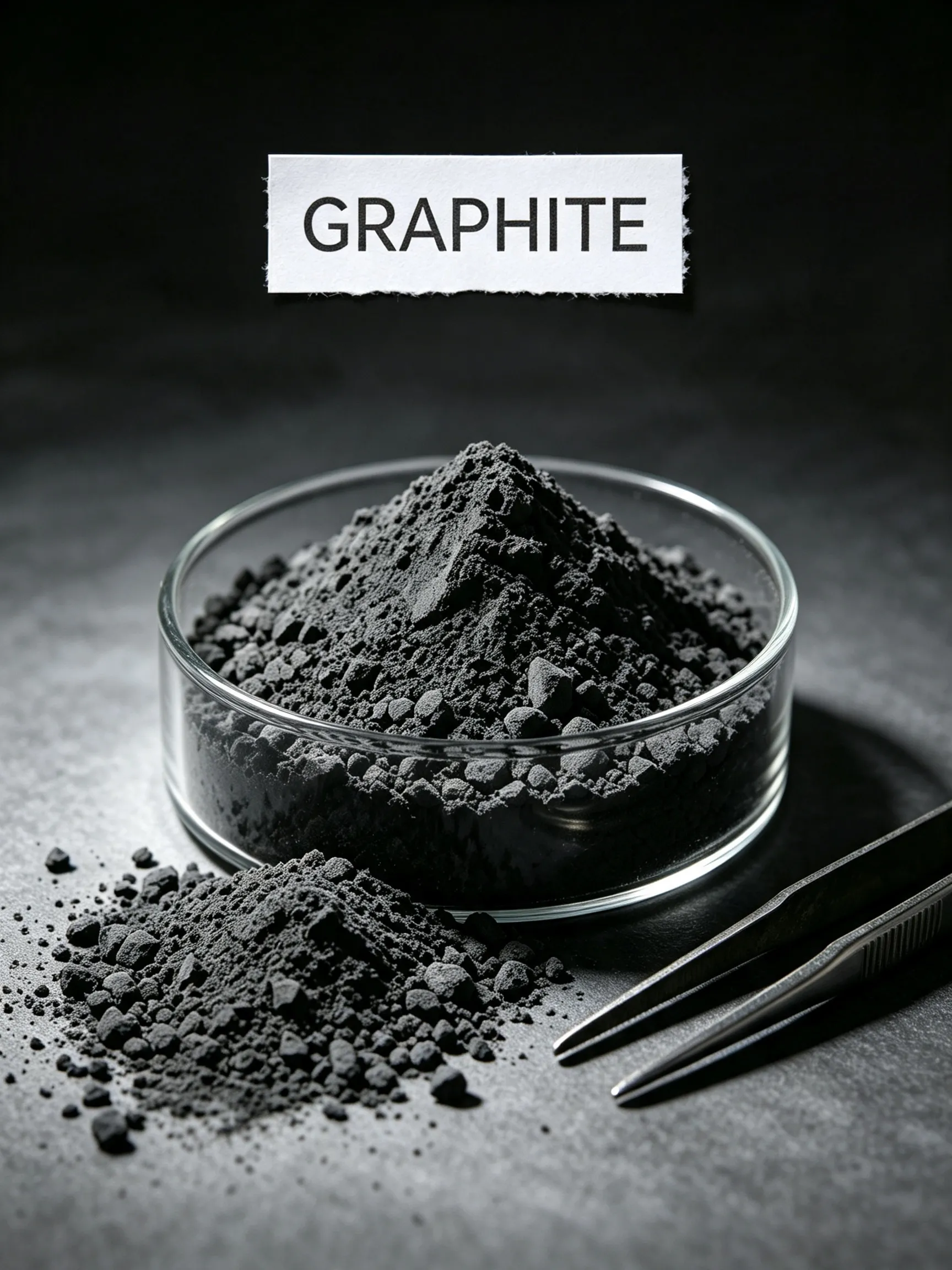
Graphite
The graphite-based negative electrode active materials are granular carbonized products, featuring high capacity, high density, high initial efficiency, low expansion, long cycle life, and excellent material stability.
Explore more
Apr 29,2026
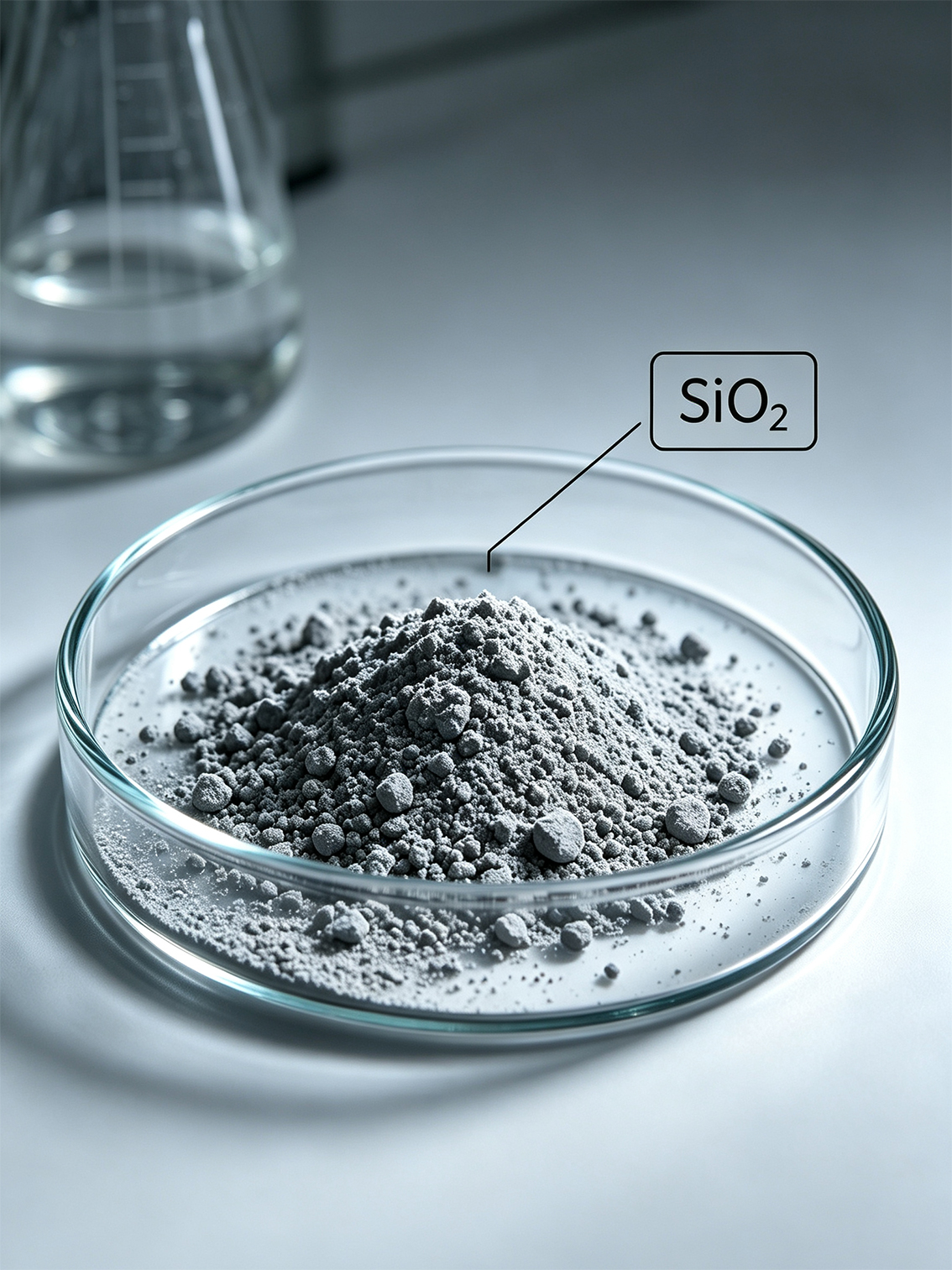
Silicon-based materials
By enhancing the high specific capacity of silicon to increase the energy density of batteries, through the buffering effect of silicon oxide or the conductive/flexible network of carbon materials, the volume expansion of silicon during charging and discharging can be effectively mitigated, the growth of lithium dendrites can be inhibited, and the stability and cycle life of the battery electrode structure can be improved.
Explore more
Apr 29,2026
Conductive carbon black (SP)
Carbon black has a larger specific surface area and better ion and electron conductivity, which is conducive to the adsorption of electrolytes and can enhance the ionic conductivity. It is suitable for the research and production of dry batteries, lithium batteries, carbon-zinc batteries, double-layer capacitors, fuel cells, etc.
Explore more
Apr 29,2026
Carbon nanotubes (CNT)
High purity, good dispersion, high stability, excellent conductivity. Carbon nanotubes can be regarded as one-dimensional nanomaterials in tubular form formed by curling graphene. They have excellent electrical conductivity and mechanical properties. When added as a conductive agent to the positive or negative electrode materials of the battery, it can reduce the amount of conductive agent added, and the formed tubular conductive network can also effectively improve the liquid absorption performance of the electrode sheet. Length: 10~20 μm, Diameter: 8~15 nm, Purity > 98%, Recommended addition amount: 0.5%~2%
Explore more
Apr 29,2026
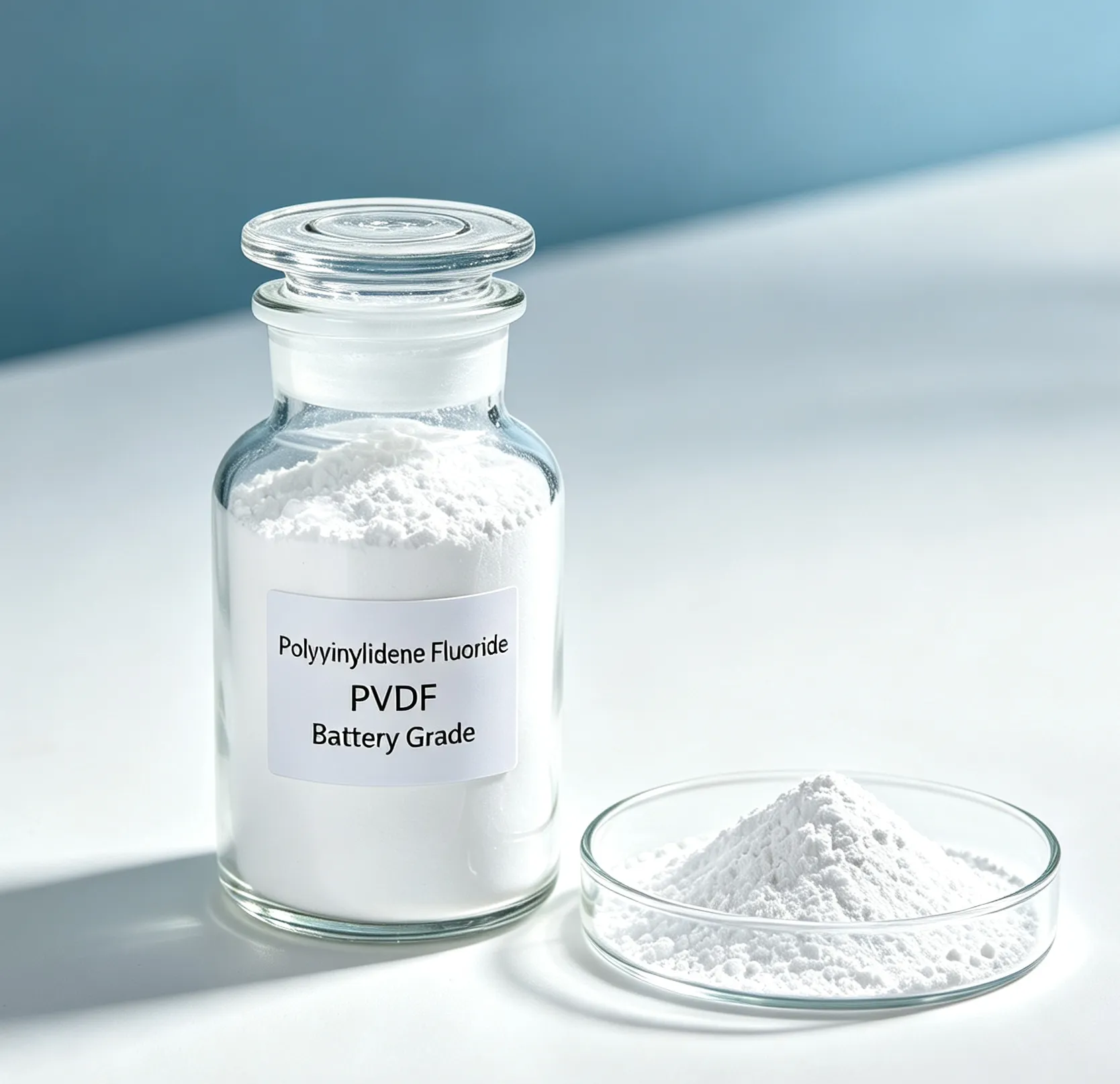
Polyvinylidene fluoride (PVDF) positive electrode binder
Polyvinylidene fluoride (PVDF) has excellent adhesion, chemical resistance, corrosion resistance, thermal stability, electrical insulation, high mechanical strength, low water absorption rate, good biocompatibility, high adjustability, and recyclability. It can ensure that the electrode structure is tight and complete, effectively resisting the erosion of electrolyte, high-temperature environment and moisture, and guaranteeing the long-term stable operation of the battery.
Explore more
May 06,2026
CMC negative electrode binder
The CMC negative electrode binder is a water-soluble polyanionic compound obtained by chemically modifying natural fibers. It is highly soluble in water and possesses excellent dispersion, thickening, film-forming, and water-retaining properties, which assist in the adhesion of lithium battery negative electrode materials.
Explore more
Apr 29,2026
Positive electrode solvent: N-methylpyrrolidone (NMP)
The positive electrode solvent N-methylpyrrolidone (NMP) is an efficient and selective chemical solvent. It has good chemical stability and thermal stability, low volatility, and is soluble in various organic solvents such as ethanol, acetone, esters, and aromatic hydrocarbons. It also possesses the advantages of high boiling point, non-flammability, safe usage, and suitability for multiple formulation applications. It is suitable for the research and production of lithium-ion battery positive electrodes and the preparation of carbon nanotube (CNT) conductive pastes, among other fields.
Explore more
Apr 29,2026
Negative electrode solvent: Deionized water
Deionized water serves as the solvent for dissolving water-based adhesives such as CMC/SBR. In the preparation of the negative electrode of lithium metal batteries, by dissolving the adhesives, the strong adhesion between the negative electrode components (lithium metal/lithium-based materials, conductive agents) and the current collector can be achieved. By regulating the slurry, the uniformity of coating and the quality of electrode formation can be ensured. After drying, the porous structure formed can buffer the volume expansion of lithium metal and meet the requirements for electrolyte infiltration/filling, which is a key process medium for the stability of the lithium battery negative electrode structure and the long-term electrochemical performance of the battery.
Explore more
Apr 30,2026
Copper foil
Ultra-thin Series: Offers specifications such as 4.5μm and 6μm, enhancing the energy density of the battery. High strength and toughness: Tensile strength > 300MPa, elongation > 5%, ensuring the processing yield of ultra-thin copper foil during coating, cutting and winding processes. High uniformity: Thickness tolerance is strictly controlled within ±2μm, and the unit area mass accuracy is ±1g/㎡, guaranteeing the consistency of the battery electrode sheet. Excellent surface properties: Uses double-sided smooth copper foil, with controllable surface roughness (Ra < 0.35μm), optimizing the adhesion of active substances and the stability of the battery interface. High chemical stability: Through special surface passivation treatment, it has good antioxidant and resistance to electrolyte corrosion properties.
Explore more